ebusinessreviews may earn a commission when you buy through links on this page, at no extra cost to you. This does not affect our ratings.
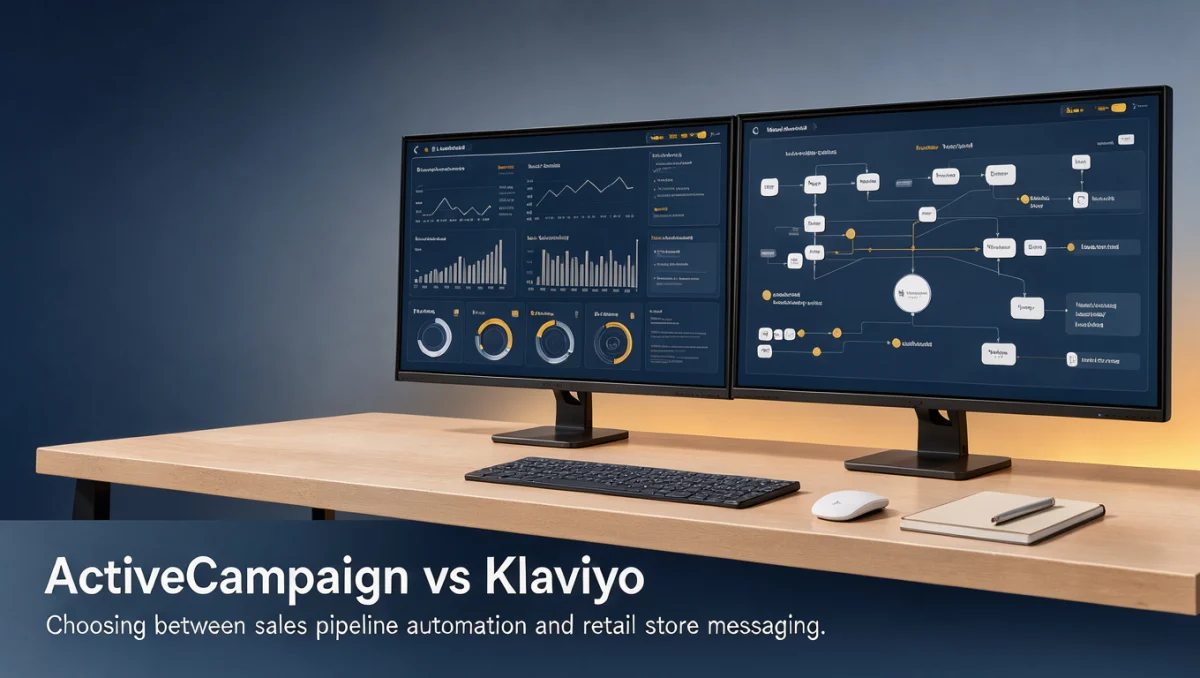
Choosing between these two tools means deciding whether your growth depends on relationship-driven deal pipelines and lead qualification or on repeat online store purchases powered by product catalog data. Before committing budget, activecampaign vs klaviyo is worth examining through the lens of how your revenue is actually generated. At EBusiness Reviews, we assess each platform by its operational purpose rather than by marketing claims.
Both products belong to the modern marketing software category, yet they are built around different rhythms. ActiveCampaign acts as an automation engine paired with contact management for varied commercial models, while Klaviyo is designed around merchant data and digital purchasing behavior. Matching the architecture to your company early avoids costly migrations later.
Quick verdict: With an overall rating of 8.0 out of 10, the decision hinges on your operating model. ActiveCampaign suits consulting firms, agencies, and multi-channel teams that need pipeline tracking, while Klaviyo suits online retailers who want messaging driven by shopping activity. Neither is a good fit for someone who only needs a basic newsletter tool without automated customer journeys.
| Evaluation Factor | ebusinessreviews Summary |
|---|---|
| ebusinessreviews score | 8.0 / 10 |
| Best for | Teams balancing client relationship tracking with automated email sequences, or online retailers managing digital shopping carts. |
| Not ideal for | Solo creators who only send manual newsletters without automation logic, segmentation, or transaction tracking. |
| Key strengths | Branched workflow automation, customer relationship tracking, store-level purchase event monitoring, and audience segmentation. |
| What to check before buying | Review list size tiers, sending limits, contract terms, and required add-on modules on each official vendor website before subscribing. |
1. How ebusinessreviews Reviewed ActiveCampaign vs Klaviyo
This review examines what each tool is built to do, who it serves, and how it compares with similar products, using our seven criteria: features, ease of use, pricing and value, integrations, audience fit, support, and competitive position. Plans, prices, and limits change frequently, so we highlight what to confirm on official websites before buying. This article was researched and drafted with AI assistance, then reviewed and edited by the ebusinessreviews Editorial Team.
2. Short Answer
The core difference lies in whether your revenue runs on deal stages and cross-channel lead qualification or on ecommerce transactional events. ActiveCampaign offers a flexible automation canvas that combines email workflows with internal task assignment and pipeline oversight. This makes it well suited to professional services, subscription platforms, educational programs, and businesses with human-led sales steps.
Klaviyo, by contrast, specializes in the retail commerce lifecycle. Its data model captures storefront actions such as product views, cart additions, completed checkouts, and refunds. If your business depends on turning order histories and browsing intent directly into message sequences, Klaviyo fits. If you need to track consultations, proposals, and pipeline milestones alongside marketing touchpoints, ActiveCampaign aligns more closely with your needs.
3. Positioning Comparison
Understanding how vendors categorize their platforms helps prevent a mismatch with your operational priorities. Marketing platforms differ in how they ingest contact attributes, interpret behavioral signals, and prompt next steps for team members.
| Tool | Best for | Core strength | Consider if |
|---|---|---|---|
| ActiveCampaign | B2B services, education providers, agencies, and mixed-model businesses. | Multi-path automation builders linked to deal stages and lead scoring. | Your operation involves proposals, consultative client calls, or sales pipelines. |
| Klaviyo | Direct-to-consumer ecommerce merchants and product catalogs. | Real-time store event synchronization and product-specific audience segmentation. | Your revenue relies on repeat retail checkouts and online browsing activity. |
Buyers should assess whether their customer relationship is transactional or relationship-driven. When communication requires human intervention, such as account management or pipeline progression, sales automation tools offer better organization. When communication is triggered purely by online shopping behavior, retail-focused platforms deliver quicker value.
4. Features and Functional Scope
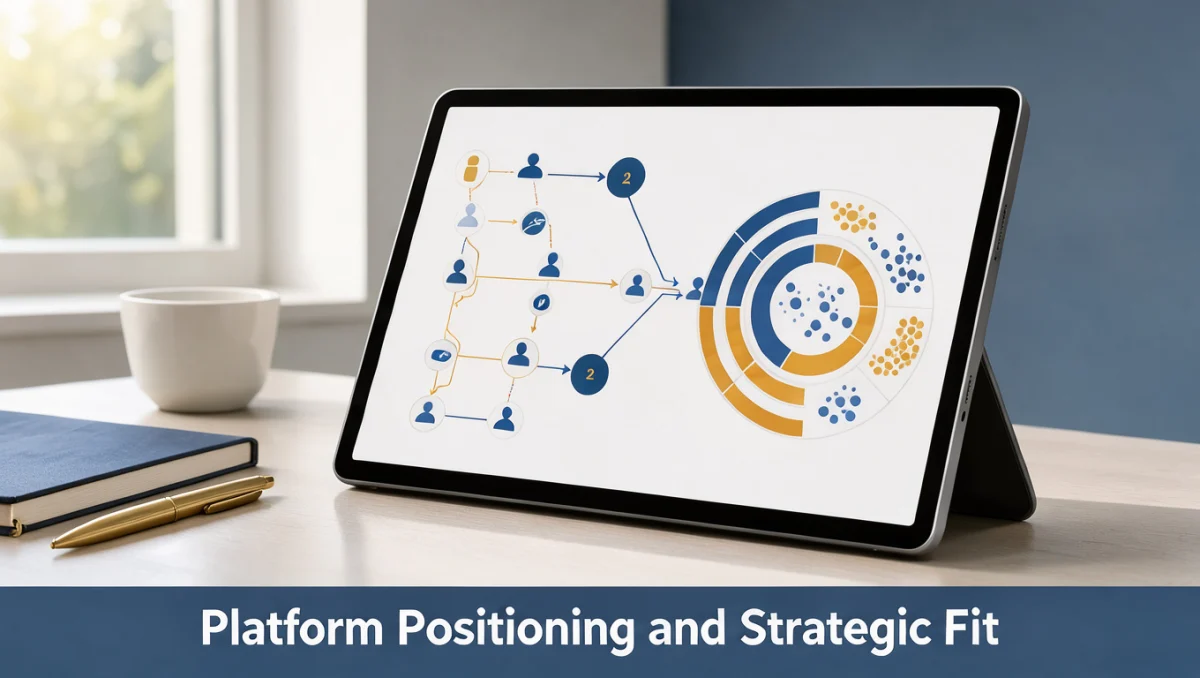
Evaluating both platforms requires looking at automation construction, audience segmentation, contact management, and message creation. Each handles these tasks with a distinct design philosophy.
Automation Builders and Visual Logic
ActiveCampaign provides an automation builder built around triggers, conditional splits, wait steps, and internal system updates. Users can create branched sequences that respond not only to email clicks or website visits, but also to stage movements within a deal pipeline, tag changes, and score thresholds. The visual canvas lets marketing and sales teams route contacts according to complex behavioral criteria across lengthy sales cycles.
Klaviyo organizes automation through pre-configured event flows built for digital commerce. Flows trigger on retail activities such as abandoned checkouts, price drops on viewed items, or loyalty milestones. Branching is supported based on past purchase history and estimated customer lifetime value, but the logic stays focused on prompting purchases rather than managing internal sales tasks.
Audience Segmentation and Data Ingestion
Segmentation in ActiveCampaign relies on tag structures, custom fields, site tracking events, and engagement metrics. Teams can group contacts by demographics, content consumption, and purchase readiness. This supports complex B2B scoring, where a prospect earns points for downloading resources, visiting service pages, or meeting qualification rules.
Klaviyo uses dynamic lists that refresh continuously based on store events, order frequency, and catalog interaction. Segment definitions can filter shoppers who bought from a specific category within a set timeframe or who viewed a product without purchasing. This depth of retail attribute filtering lets ecommerce brands run targeted promotions without manual list sorting.
Contact Records and Pipeline Oversight
ActiveCampaign includes native contact records that store conversation history, notes, assigned owners, and visual deal pipelines. This lets service-based companies move leads from inbound inquiry to signed agreement without a separate sales tool for straightforward workflows.
Klaviyo focuses its profiles on spending metrics, predicted reorder intervals, transaction history, and messaging channels. It does not provide traditional B2B sales pipelines or lead distribution boards, since consumer retail workflows rarely involve manual proposal stages or representative outreach.
5. Ease of Use and Learning Curve
The operational complexity of marketing automation depends on how your team structures campaigns and manages contact data. Both platforms require dedicated onboarding time, though the learning curve shows up in different places.
Navigating the Workflow Canvas
Setting up workflows in ActiveCampaign requires understanding how tags, lists, and custom fields interact across marketing campaigns and deal boards. Because the system offers deep branching, new users should plan logic carefully to avoid loops or contradictory conditions. Teams used to basic email tools usually need time to adjust to multi-step logic.
Klaviyo offers an experience built around standard ecommerce playbooks. Merchants can launch foundational flows quickly because the trigger logic matches common retail benchmarks. Mastering Klaviyo, however, requires learning its data taxonomy, including how store metadata flows into message templates and how predictive customer metrics calculate over time.
Template Design and Content Assembly
Both platforms offer drag-and-drop template builders for responsive email. ActiveCampaign supports flexible content blocks, personalized dynamic fields, and conditional formatting based on recipient tags or demographic data.
Klaviyo tailors its content builder to catalog feeds, dynamic cart recreation blocks, and personalized product recommendation grids. Retail staff who need to pull live stock items and pricing into campaigns without custom code will find it intuitive.
6. Pricing and Total Cost of Ownership
Subscription costs for marketing automation platforms vary with audience size, message volume, and feature needs. Buyers should evaluate the structure of billing rather than focusing only on starting rates.
Understanding Cost Drivers
Many vendors structure pricing tiers around total active contacts, stored records, or monthly message allowances. When reviewing ActiveCampaign, confirm on the official plan comparison page how contacts are counted across lists, and verify whether sales pipeline functionality requires a specific plan or add-on package.
When evaluating Klaviyo, review the official pricing calculator for combined email and SMS sending allowances. Because Klaviyo charges based on active profile counts and sending volume, retailers with seasonal spikes should model how high-volume holiday periods affect monthly costs.
Operational Overhead and Maintenance
Beyond the base subscription, organizations should budget for list maintenance, template configuration, and integration upkeep. Many businesses find that an implementation specialist or agency partner helps set up complex branching rules, clean historic contact lists, and map webhooks accurately during initial setup.
7. Integrations and Ecosystem
Marketing platforms cannot operate in isolation. They must ingest data from web forms, payment gateways, shopping platforms, appointment calendars, and analytics tools.
Software Compatibility Assessment
ActiveCampaign connects with a broad range of external applications, including web form plugins, learning management systems, appointment schedulers, membership software, and popular customer support platforms. This makes it adaptable for educational academies, agencies, and consultancies running varied technology stacks.
Klaviyo maintains deep connections with major ecommerce platforms, point-of-sale systems, and retail review networks. Its architecture centers on processing catalog inventory, customer checkouts, and shipping updates. Businesses that do not run an online shopping cart will find limited value in its retail-specific connectors.
Data Flow and Synchronization Requirements
Before committing to either platform, map the critical data fields your organization relies on daily. Confirm on official documentation whether data syncs in real time or in scheduled batches, and verify whether custom field mapping requires third-party middleware or developer resources.
8. Audience and Business Model Fit
Choosing software that mirrors your business model removes operational bottlenecks and improves return on marketing effort. ActiveCampaign and Klaviyo serve fundamentally different organizational profiles.
When ActiveCampaign Serves Your Business Model
ActiveCampaign fits teams with multifaceted marketing and sales operations. Consider this platform if your daily work involves:
- Managing consultative sales cycles that need automated follow-ups alongside manual calls or proposals.
- Running membership sites, online courses, or client service agencies where contact engagement determines service delivery.
- Qualifying inbound inquiries through lead scoring before assigning contacts to team members.
- Sending automated onboarding sequences triggered by appointment bookings, document submissions, or account milestones.
When Klaviyo Serves Your Business Model
Klaviyo fits companies focused on online consumer retail. Consider this platform if your daily work involves:
- Running an online storefront with physical or digital products managed through a product catalog.
- Automating messages triggered by abandoned carts, product page browsing, and post-purchase replenishment cycles.
- Segmenting audiences by purchase frequency, average order value, and lifetime spending.
- Coordinating combined email and SMS campaigns centered on promotional product launches.
9. Customer Support and Guidance
Access to technical help and reliable documentation becomes essential when building complex multi-step automations or troubleshooting delivery problems.
Support Resources and Documentation
Both vendors provide extensive self-service knowledge bases, community forums, and training resources. Before purchasing, confirm on official support pages which channels, such as live chat, ticket submission, or phone assistance, correspond to each subscription tier, and check their operating hours across your time zone.
Teams with specialized technical or compliance needs should also review official enterprise support guidelines to see whether dedicated account managers or onboarding assistance require a separate contract.
10. Competitive Position and Value
In the wider automation landscape, ActiveCampaign and Klaviyo are benchmarks in their respective niches. ActiveCampaign competes with platforms such as HubSpot, Brevo, and Keap for service-oriented marketing automation. Its value lies in flexible customer journey automation and pipeline tracking without forcing users into a full enterprise suite.
Klaviyo competes with retail messaging systems such as Omnisend, Drip, and Mailchimp. Its advantage is specialized data synchronization for shopping carts, letting merchants launch transaction-triggered campaigns without building custom database scripts. The choice comes down to whether your core revenue event is a digital retail checkout or a consultative relationship.
11. How to Decide Between ActiveCampaign and Klaviyo
Making a firm choice requires an honest audit of your current workflows, existing technology stack, and near-term growth goals. Follow these steps to reach an informed decision.
Step 1: Audit Your Primary Conversion Event
Identify the exact moment an inbound contact becomes a paying customer. If conversion happens through a digital cart checkout, Klaviyo offers the event architecture you need. If it happens through an agreement, consultation, custom invoice, or demo call, ActiveCampaign provides the relationship pipeline tools.
Step 2: Map Your Automation Complexity
Outline your ideal customer communication sequence on paper. If it involves branching rules based on internal lead stages, form submissions, and staff tasks, choose ActiveCampaign. If it follows order placements, browse abandonment, and product category interests, Klaviyo handles the job efficiently.
Step 3: Calculate Your Multi-Channel Strategy
Determine whether your strategy requires integrated sales pipelines or focuses entirely on retail channels such as email and SMS. Check the official pricing calculators for both platforms to model expected audience growth and confirm costs remain viable over the next twelve months.
12. Frequently Asked Questions
What should I budget for besides the base subscription?
Plan for list verification to clean historic records, professional template design, and third-party connectors if your custom applications do not link directly. Allocating internal time or contractor budget for migration and onboarding prevents disruption to ongoing campaigns.
How do I know if my business needs a sales pipeline tool?
You need a sales pipeline tool if transactions involve personalized quotes, discovery calls, contract reviews, or manual team follow-ups. If revenue comes entirely from automated self-service checkouts on a digital storefront, a traditional pipeline is unnecessary and retail messaging tools are the more efficient choice.
Can I migrate contact lists and historical data between these platforms?
Standard contact data, including email addresses, phone numbers, names, and custom text fields, transfers through standard export files. Dynamic automation histories, active workflow states, and platform-specific behavioral metrics rarely transfer across vendors, so teams usually need to rebuild automation logic natively in the new platform.
What factors influence message deliverability across both platforms?
Deliverability depends on sending domain authentication, list hygiene, subscriber engagement, and content quality. Keeping lists clean by regularly removing inactive contacts and verifying DNS records supports high inbox placement regardless of which provider you choose.
13. Final Verdict
ActiveCampaign and Klaviyo are both strong marketing platforms, but they serve fundamentally different operating frameworks. ActiveCampaign excels when managing complex customer journeys that connect automated messaging with sales pipelines, internal task assignments, and lead scoring. Klaviyo offers clear advantages for online merchants who need real-time data flow from product catalogs and shopping carts to drive repeat purchases.
| Criterion | Score / 10 | Reason |
|---|---|---|
| Features | 8.5 / 10 | Both platforms deliver rich workflow capabilities tailored to their target business models. |
| Ease of Use | 8.0 / 10 | Navigation requires onboarding discipline due to complex branching rules and detailed segmentation options. |
| Pricing and Value | 7.5 / 10 | Costs scale with contact and message volumes, so buyers should verify official tier thresholds carefully. |
| Integrations | 8.0 / 10 | ActiveCampaign connects broadly across business tech stacks, while Klaviyo provides specialized retail store connectivity. |
| Audience Fit | 8.5 / 10 | Each tool aligns closely with its intended audience, clearly separating B2B service workflows from B2C retail models. |
| Support | 7.5 / 10 | Educational documentation is thorough, while direct support depends on the selected tier. |
| Competitive Position | 8.0 / 10 | Each platform holds a strong standing within its sector of sales automation or retail communication. |
| Overall score | 8.0 / 10 | Average reflecting specialized design, functional depth, and clear operational value across both tools. |
For service businesses, consultants, agencies, and mixed-model operations that need lead tracking, choose ActiveCampaign. For dedicated online retailers seeking to maximize order value through automated cart and browse triggers, choose Klaviyo. Review your operational requirements and check current plan details on the official vendor websites before finalizing your decision.
Have questions about selecting the right platform for your stack? Send them to our editorial team via our Marketing section or contact EBusiness Reviews directly.