Every hourly business eventually faces the same bottleneck: turning a week of scheduled shifts and recorded clock-ins into accurate pay. Planday's approach to planday export payroll reports aims to close that gap by linking rosters to actual punches and packaging the results into organized wage files. Below, we walk through what the feature does, where it shines, and where it needs careful setup.
Before diving in, a quick note on how this review was assembled. EBusiness Reviews evaluates workforce platforms against a consistent set of criteria, and this article was drafted with AI assistance and then checked and edited by our editorial team. Pricing and plan details change frequently, so treat any figures as a starting point and confirm them directly with the vendor.
Quick Verdict and Scorecard
Planday earns an overall score of 7.8/10. It is a strong fit for shift-heavy operations that need consistent time capture and tidy export files. It is less compelling for solo professionals or salaried office teams that never track hourly punches.
| Metric | Evaluation |
|---|---|
| ebusinessreviews score | 7.8/10 |
| Best for | Businesses running complex shift rosters that need consolidated hourly wage records |
| Not ideal for | Salaried office teams without shift rotations or hourly punch requirements |
| Key strengths | Roster planning, punch-clock verification, organized wage report exports |
| What to check before buying | Payroll format compatibility and seat-based contract terms on the official site |
How We Assessed Planday
We looked at what the platform is designed to accomplish, who it serves, and how it stacks up against comparable tools. Our evaluation uses seven criteria: features, ease of use, pricing and value, integrations, audience fit, support, and competitive position. Because vendors revise plans and limits often, we flag which items you should confirm on the official website before purchasing.
What Planday Does and Who Uses It
Planday is a workforce management platform built to help managers schedule staff, capture working time, and communicate shift changes. It is commonly deployed in hospitality venues, healthcare facilities, retail stores, and security operations, where staffing needs shift from one day or week to the next.
Supervisors use tools like this to replace paper timesheets and static spreadsheets with a single synchronized record. For teams exploring the wider Collaboration & Productivity category, scheduling software is valuable because it connects day-to-day team communication with labor cost oversight.
Core Features for Shift and Payroll Management
Shift Scheduling and Roster Management
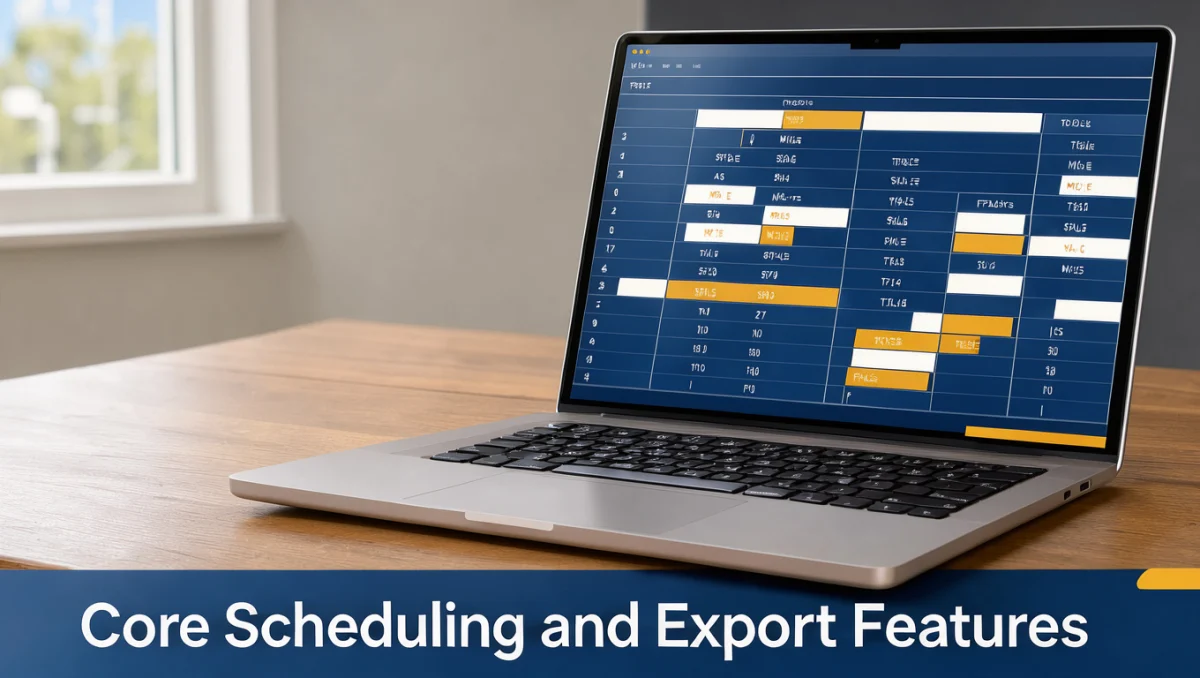
Roster tools let managers build shift templates, assign employees according to role, and publish calendar views. Team members receive notices about open shifts, swap requests, and approved schedule edits through a shared dashboard.
Department leads can compare planned labor against expected demand, whether that means customer traffic or service volume. The scheduling view helps prevent double-booking and reveals uncovered shifts before the period begins.
Time and Attendance Tracking
Time capture records actual hours through digital clock-in, fixed punch points, and supervisor adjustments. Logs store arrival times, meal breaks, and departure times, and compare them with the originally scheduled shift.
Gaps between the plan and what actually happened require manager approval before timesheets are finalized. This review step gives administrators a chance to check unapproved overtime, missed punches, and manual edits before a pay period closes.
Payroll Export and Wage Summaries
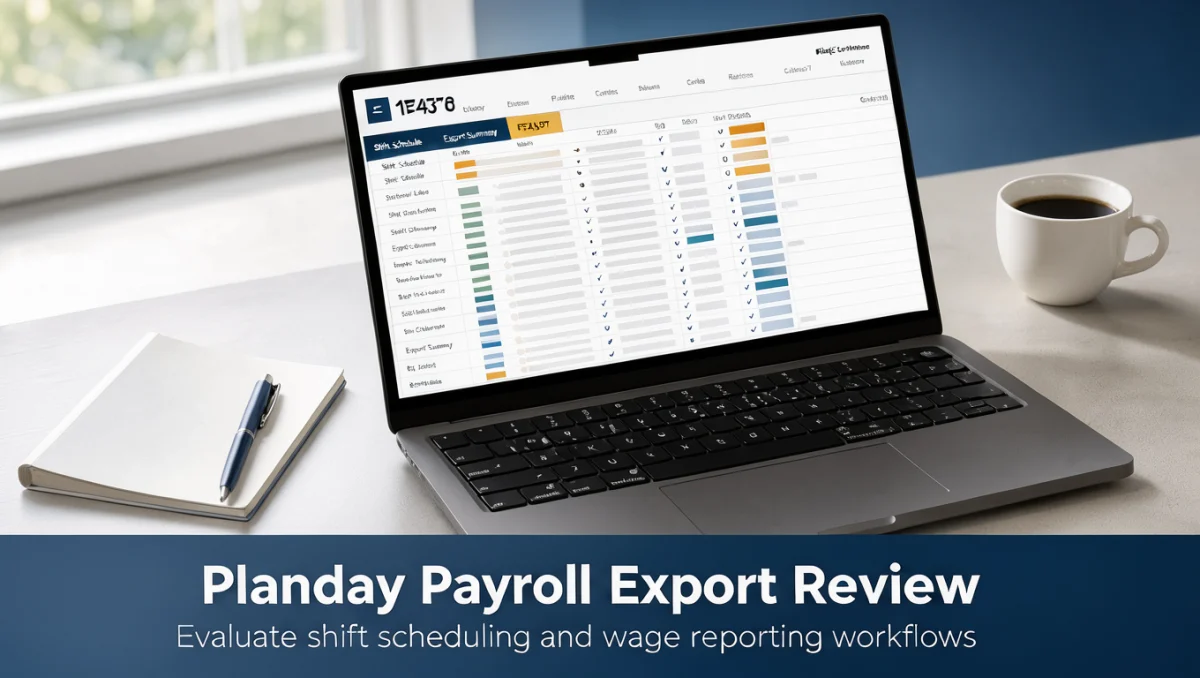
Once punch hours are validated, the platform can convert them into structured export files for accountants or an external payroll provider. Administrators can pull period reports covering standard hours, overtime, weekend premiums, and approved leave.
Payroll rules vary by jurisdiction and by processor, so buyers should review the export formats on the official Planday website before committing. Standardizing pay categories across departments helps ensure files import cleanly into your wage software without line-item mismatches.
Ease of Use and Setup
Operational software has to be approachable for both seasonal hourly staff and the administrators who configure it. Workers typically interact with mobile check-in screens, the schedule calendar, and shift trade requests, all of which are fairly intuitive.
Administrative setup is where the real effort lies: defining shift patterns, pay rules, break policies, and permission levels. Organizations rolling out the software should plan a phased launch so field employees can get comfortable with digital time tracking.
Strengths and Limitations
Strengths
- Structured shift creation makes it easier to distribute schedules across several departments.
- Time tracking is linked directly to the roster, so punches can be reviewed against planned shifts.
- Centralized export generation produces consolidated wage records for accounting staff.
- Built-in communication lets workers swap shifts and request time off in one place.
Limitations
- Thorough policy configuration is needed before exports can be trusted.
- Export layouts may need manual column adjustments depending on your payroll provider.
- Complex shift differential rules require ongoing oversight to confirm the calculations are correct.
Planday Compared With Similar Tools
Buyers often evaluate Planday alongside Deputy, When I Work, and 7shifts. Each product is aimed at a slightly different operating environment.
Deputy places heavy emphasis on shift compliance and labor law monitoring, which appeals to retail and service businesses. When I Work focuses on flexible scheduling and quick onboarding for hourly crews. 7shifts is built specifically around restaurant and hospitality workflows. Planday stands out for its structured scheduling approach and its wage summary outputs.
Who Should Choose Planday
Recommended User Groups
- Hospitality operators coordinating split shifts, seasonal staff, and varied pay rates.
- Healthcare providers and care homes that need continuous coverage and clean shift handovers.
- Retail managers balancing part-time schedules across multiple weeks.
When Another Option May Fit Better
- Companies with only salaried staff on fixed, recurring schedules.
- Freelancers and solo operators who track project deadlines rather than hourly shift time.
- Small teams that only need task management without time tracking or wage exports.
Choosing the Right Plan
Subscription tiers for workforce software typically vary by organizational size, admin permissions, and reporting depth. Mapping your operational needs before you buy helps you avoid paying for capacity you will not use.
| What to Check on the Official Website | Why It Matters |
|---|---|
| Included wage export formats | Confirms the output files match what your external payroll processor accepts. |
| User tier minimums and contract terms | Shows the baseline commitment as your seasonal headcount changes. |
| Shift approval workflow rules | Verifies that multiple department heads can review punches before payroll is locked. |
| Break tracking and compliance settings | Helps confirm adherence to statutory rest requirements and labor regulations. |
Frequently Asked Questions
What should a shift payroll export file contain?
Export files usually include verified employee identifiers, total regular hours, approved overtime, break deductions, and applicable premium codes. Make sure every shift category maps correctly to your accounting ledgers to prevent errors during import.
How can businesses check export accuracy before processing?
Compare exported totals against supervisor-approved timesheets before sending the file for wage calculation. Spot-checking a sample of employees from each department is an effective way to catch missed break deductions or unassigned pay rates.
Why do columns sometimes fail to match between scheduling and payroll tools?
Mismatches happen when column headers, date formats, or worker ID numbers in the export do not match the import template expected by the payroll system. Standardizing your export template reduces repetitive manual fixes.
Should I involve an accountant when setting up export rules?
Yes. A payroll specialist or accountant can confirm that overtime thresholds, tax codes, and local labor rules are reflected correctly in the system. Getting these rules right during setup prevents reconciliation headaches later.
Final Verdict
| Criterion | Score / 10 | Reason |
|---|---|---|
| Features | 8.4 | Comprehensive roster planning, time tracking, and detailed payroll summaries. |
| Ease of Use | 8.0 | Intuitive schedule calendar, though initial rule configuration takes focused admin time. |
| Pricing and Value | 7.2 | Check user tier minimums on the official site to judge total value. |
| Integrations | 7.5 | Export formats cover common needs; confirm alignment with your processor before buying. |
| Audience Fit | 8.5 | Well suited to shift-based businesses managing complex rotas and hourly staff. |
| Support | 7.0 | Review support tiers on the official site to match your coverage needs. |
| Competitive Position | 8.1 | Holds a solid position against specialized workforce scheduling alternatives. |
Overall ebusinessreviews Score: 7.8/10
For shift-driven organizations that want daily attendance tied to clear wage records, Planday offers a dependable scheduling foundation. Confirm the specific file requirements on the official Planday website before rolling it out.
Have questions about choosing workforce management software? Send your operational questions to our editors at https://ebusinessreviews.net/contact/ or follow our business community on LinkedIn at https://www.linkedin.com/company/ebusinessreviews/.