ebusinessreviews may earn a commission when you buy through links on this page, at no extra cost to you. This does not affect our ratings.
Compliance groups often juggle scattered spreadsheets and policy handoffs that nobody tracks. A centralized platform for standard operating procedures can close that gap, and process street for compliance teams is built precisely for that job. At EBusiness Reviews, we tested whether it delivers the consistency regulators expect.
Within the Collaboration & Productivity segment, buyers must weigh strict governance against everyday usability. General project boards favor flexibility, whereas compliance work hinges on task dependencies, conditional logic, and documented sign-offs. Below we check how the tool holds up against those demands in 2026.
Quick verdict: Rated 7.9 / 10, the product suits mid-sized and enterprise teams that need repeatable checklists, structured approvals, and auditable run histories. It is a weaker match for loose, ad-hoc collaboration or for organizations seeking a full regulatory rule-mapping database.
| Evaluation factor | ebusinessreviews assessment |
|---|---|
| ebusinessreviews score | 7.9 / 10 |
| Best for | Compliance officers, operations managers, and quality assurance leads standardizing recurring procedures |
| Not ideal for | Creative agencies, ad-hoc project teams, or organizations seeking full-scale regulatory database subscriptions |
| Key strengths | Structured checklist execution, conditional logic branching, and role-based approval routing |
| What to check before buying | Review official user role definitions and external guest submission permissions on the vendor website |
1. How ebusinessreviews Reviewed Process Street
We assessed what the platform is designed to do, its target users, and how it stacks up against comparable tools, scoring seven areas: features, ease of use, pricing and value, integrations, audience fit, support, and competitive position. Plans and limits shift frequently, so we flag what to verify on the vendor site before purchasing. This piece was researched and drafted with AI assistance, then reviewed and edited by the ebusinessreviews Editorial Team.
2. What Process Street Is and Who Uses It
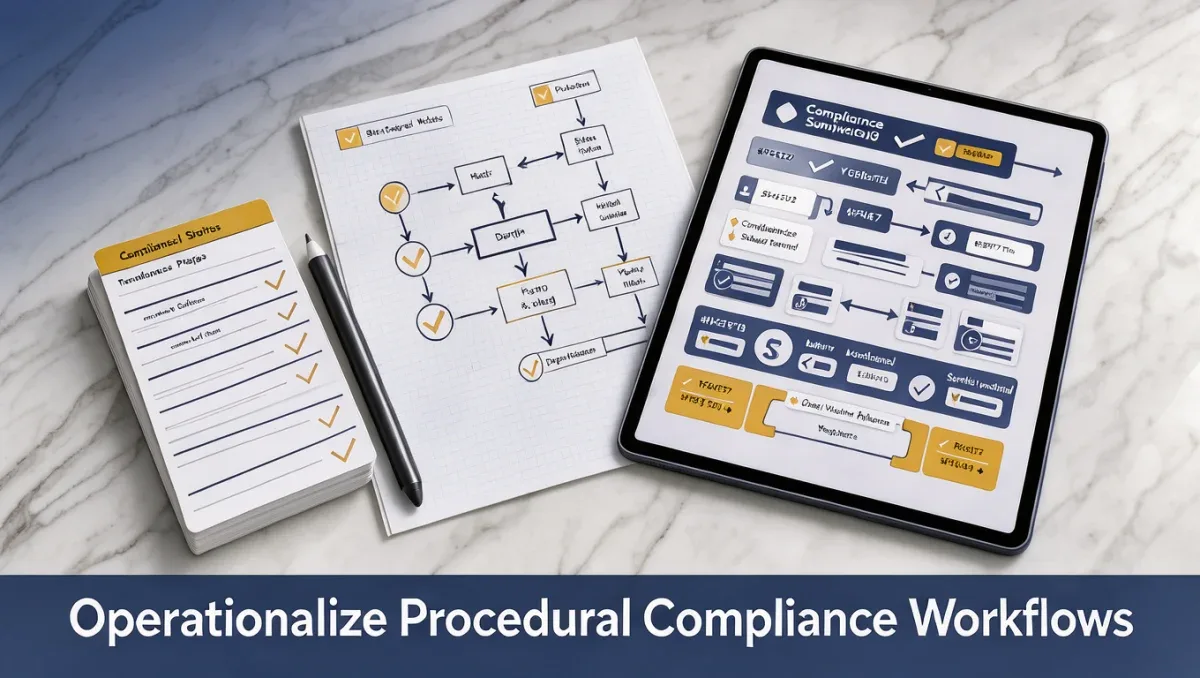
Process Street is a process and workflow management product from Process Street Inc. It converts standard operating procedures into interactive, repeatable digital runs, moving policies out of static documents and into guided sequences of milestones.
Its main audience includes compliance managers, operations directors, HR teams, and risk officers responsible for internal controls, regulatory obligations, and quality standards. Companies usually adopt it to reduce human error during high-stakes handoffs such as client onboarding, security audits, and vendor reviews.
- Quality management teams enforcing standard operating procedures
- Information security officers executing recurring access reviews
- Financial and operational risk analysts coordinating routine audit checklists
- Human resources departments managing structured personnel verifications
3. What Process Street Helps You Do
Process Street organizes procedural work into active runs generated from master templates, ensuring each control activity happens in the correct order every time.
3.1. Standard operating procedure execution
Teams build templates containing sequenced tasks, instructional media, data capture fields, and conditional branches. During live runs, contributors enter evidence directly into form fields, producing a time-stamped record of completion. Prospective buyers should confirm on the official website which field types and validation rules come standard.
3.2. Structured approval routing
Governance frameworks often demand secondary authorization before an action proceeds. Template creators can insert approval steps that assign review duties to specific managers or compliance leads. Work pauses until the authorized person approves or rejects the step, leaving an explicit accountability trail.
3.3. Centralized process oversight and audit tracking
Administrative dashboards show ongoing, overdue, and completed runs across departments. Compliance leads can monitor completion timestamps, spot operational bottlenecks, and export run records for internal and external auditors. Reviewers should verify export formats on the vendor page to ensure they meet audit retention requirements.
| Compliance task | Workflow capability | Operational benefit |
|---|---|---|
| Vendor risk assessments | Mandatory data collection fields | Prevents premature task closure without required risk documentation |
| Access authorization reviews | Dedicated manager sign-off steps | Creates a clear, timestamped record of administrative approvals |
| Quality control checks | Conditional logic visibility | Reveals relevant audit steps only when specific operational triggers occur |
4. Ease of Use and Learning Curve
The interface uses a familiar document-style layout, so business users can adapt without programming skills. Anyone comfortable reading policy manuals can follow an active checklist with minimal orientation.
Building complex templates is harder. Configuring multi-branch conditional rules, role assignments, and dynamic due dates requires careful planning. Compliance teams should appoint dedicated template administrators rather than expecting every staff member to design advanced logic from scratch.
- End-user checklist completion requires negligible onboarding time
- Process builders require structured planning for conditional branch hierarchies
- Standardized template naming conventions prevent administrative sprawl across teams
5. A Two-Week Evaluation Plan for Process Street
Compliance teams should test the platform on a real workload rather than rely on theoretical reviews. A pilot against an actual recurring process exposes bottlenecks before any subscription commitment.
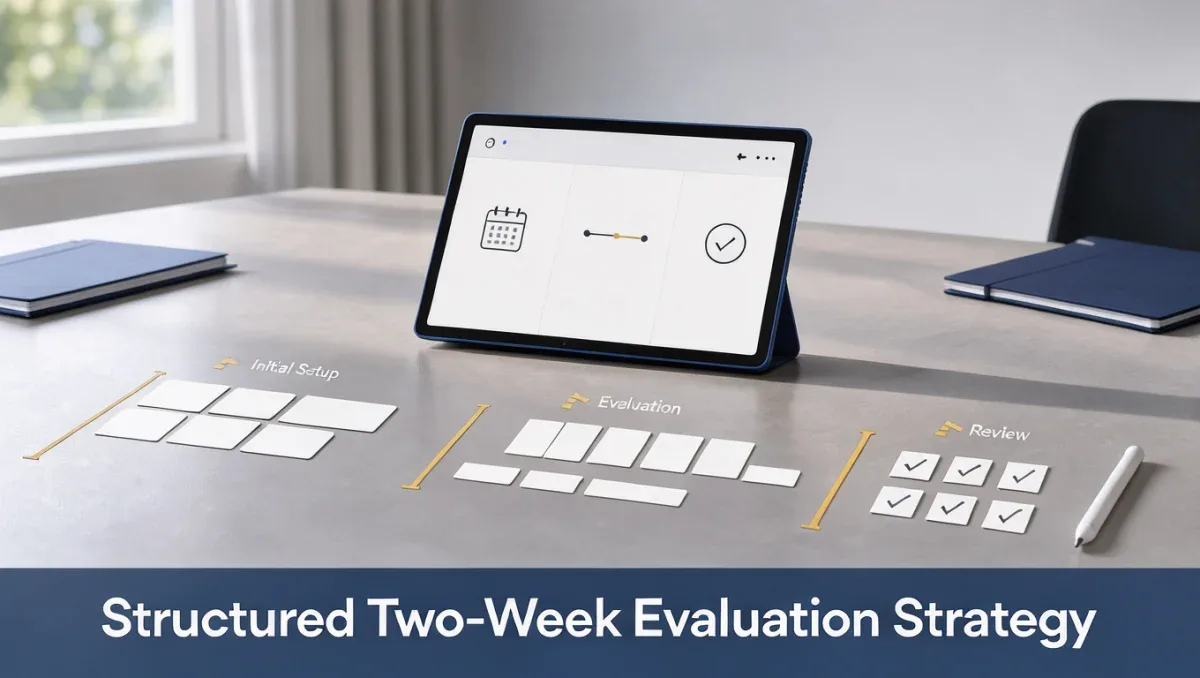
- Days 1–3: Template definition and field mapping. Pick one recurring compliance procedure, such as quarterly access auditing. Map every manual step, mandatory field, and required attachment into a master template to gauge builder flexibility.
- Days 4–7: Approval testing and edge cases. Assign test runs to several team members. Check whether approval requests route correctly, test conditional branches with conflicting inputs, and observe how step rejections are handled.
- Days 8–14: Reporting, exports, and stakeholder review. Run several simulated processes to completion. Export the run history and judge whether external auditors could read the audit trail without vendor help.
6. Where Process Street Shines and Where It May Fall Short
Knowing where a workflow tool adds value, and where trade-offs appear, helps compliance leaders set realistic expectations.
| Evaluation area | Shines when | May fall short when |
|---|---|---|
| Procedural consistency | Processes follow predictable, repeatable steps with defined milestones | Work is highly exploratory, creative, or changes direction daily |
| Sign-off governance | Clear two-tier or three-tier authorization handoffs are mandatory | Approvals require external legal redlining inside the document itself |
| Audit evidence collection | Operational data must be captured alongside step execution | Deep analytical charting or statistical process control is required |
| Team delegation | Multiple contributors handle sequential tasks within one procedure | Users only need an informal personal task management list |
7. Process Street Compared With Similar Tools
Teams weighing workflow platforms often compare general project tools with dedicated process software. Each category approaches coordination from a different angle.
| Tool | Best for | Core focus |
|---|---|---|
| Process Street | Standard operating procedure execution and governance checklists | Sequential process control, structured data forms, and formal sign-offs |
| Asana | Cross-functional project tracking and team milestone coordination | Flexible task management, team project boards, and portfolio deadlines |
| Smartsheet | Spreadsheet-driven operational reporting and complex program tracking | Grid-based resource planning, calculation sheets, and programmatic views |
8. Who Should Use Process Street
Fit depends on team size, regulatory exposure, and the nature of daily routines.
| User group | Fit assessment | Primary consideration |
|---|---|---|
| Compliance officers | Recommended | Establishes auditable timelines and verified handoffs for control frameworks |
| Operations managers | Recommended | Eliminates inconsistent manual procedures across departmental teams |
| Small business owners | Conditional fit | Valuable if operating in regulated markets, but simpler tools suffice for basic tasks |
| Creative agencies | Not recommended | Standardized checklists restrict flexible, iteration-heavy creative project work |
| Solo freelancers | Not recommended | Administrative overhead outweighs benefits without multi-person approval needs |
9. Pricing at a Glance
Process management vendors typically price by administrative seats, guest participation, and advanced workflow features. Confirm current tiers directly with the vendor before estimating annual budgets.
- Check the official Process Street pricing page to see how licenses separate full template creators from casual run participants, since that ratio drives cost.
- Verify whether governance features such as custom role permissions or single sign-on sit in higher tiers.
- Review data storage policies and export limits on the vendor page to ensure they match corporate record retention schedules.
10. Frequently Asked Questions
Which compliance workflows translate best into the platform?
Procedures with clear chronological steps and mandatory sign-offs translate most successfully. Common examples include customer identification checks, vendor risk reviews, employee offboarding, workplace safety inspections, and periodic IT access verifications.
How should compliance teams prepare their processes before implementation?
Document existing procedures on paper or in digital outlines before building templates. Identifying required documentation fields, designated approvers, and standard exception paths in advance prevents costly template rebuilds later.
Can external auditors review completed run histories?
Organizations typically export completed records as standardized document files or data tables for regulatory examiners. Verify supported export formats on the vendor website to confirm compatibility with internal archiving standards.
What administrative oversight is needed to keep templates current?
Compliance programs evolve as regulations change, so ongoing governance is essential. Assign specific process owners to review master templates annually and retire obsolete workflows.
11. Final Verdict
Process Street offers a dependable operational backbone for teams that must demonstrate repeatable compliance and catch procedural gaps. It does not replace full governance, risk, and compliance database suites, but its execution-focused checklist design does a strong job of turning abstract regulatory policies into verified daily habits.
| Criterion | Score /10 | Reason |
|---|---|---|
| Features | 8.2 | Strong checklist execution, conditional logic, and embedded approval capabilities |
| Ease of Use | 7.2 | Straightforward for task execution, but template building requires disciplined structural design |
| Pricing and Value | Confirm before buying | Review official plan comparison pages to understand creator versus participant licensing tiers |
| Integrations | Confirm before buying | Confirm direct connections and workflow hooks on the official vendor directory |
| Audience Fit | 8.4 | Particularly well-aligned with operations and compliance teams executing standardized controls |
| Support | Confirm before buying | Examine available service levels and onboarding assistance packages on the vendor site |
| Competitive Position | 7.8 | Occupies a distinct niche focused on process execution rather than generic project boards |
| Overall score | 7.9 | Weighted average of evaluated criteria reflecting strong compliance process utility |
Compliance directors and operations leads will find real value here when procedural lapses carry genuine organizational cost. Teams with informal workflows or loose project timelines should look at broader project tracking options instead.
Have a question about choosing software? Send it to the ebusinessreviews team through our contact page or follow ebusinessreviews on LinkedIn for new reviews and comparisons.