ebusinessreviews may earn a commission when you buy through links on this page, at no extra cost to you. This does not affect our ratings.
Choosing between tie shopper intelligence vs attentive comes down to a simple question: do you need to understand how shoppers and retail partners move products, or do you need to talk to individual customers directly on their phones? The two platforms serve adjacent parts of commerce but rarely overlap in daily use, so the right pick depends on where your team is stuck today.
At EBusiness Reviews, we evaluated both tools across functionality, workflow fit, cost structure, integrations, and vendor support. The sections below walk through what each platform is built for, how they differ in practice, and the checks to run before you sign anything in 2026.
Quick take: Pick Tie Shopper Intelligence when you need retail market visibility, multi-channel purchasing patterns, and distribution insight. Pick Attentive when you want to re-engage shoppers through automated SMS and build a subscriber list. Our overall scores are 7.8 / 10 for Tie Shopper Intelligence and 8.4 / 10 for Attentive.
| Evaluation Metric | Tie Shopper Intelligence | Attentive |
|---|---|---|
| ebusinessreviews score | 7.8 / 10 | 8.4 / 10 |
| Best for | Retail analysts and brand strategists needing purchase insight | E-commerce marketers focused on direct mobile messaging |
| Core focus | Shopper analytics, market intelligence, and product demand signals | Conversational text marketing, subscriber growth, and retention |
| Consider if | You need deeper insight into retail distributor and buyer patterns | You require automated mobile campaigns to recover abandoned carts |
1. How ebusinessreviews Compared Tie Shopper Intelligence and Attentive
This comparison looks at what each product is designed to do, who it serves, and how to choose between them. We used seven ebusinessreviews criteria: features, ease of use, pricing and value, integrations, audience fit, support, and competitive position. Plans, prices, and limits change frequently, so we flag what to confirm on each official website before buying. This article was researched and drafted with AI assistance, then reviewed and edited by the ebusinessreviews Editorial Team.
2. Where the Two Platforms Diverge
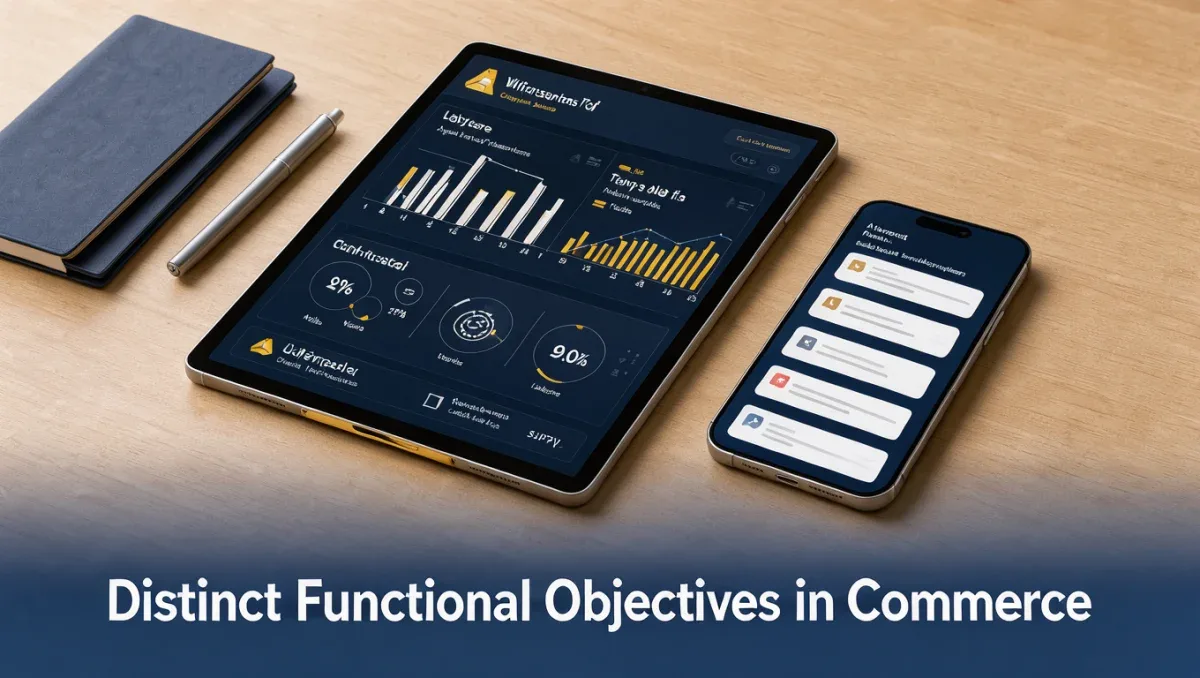
Tie Shopper Intelligence sits in the retail market intelligence category. It supports consumer brands, manufacturers, and trade marketers who need to see retail distribution, shopper demand metrics, and category performance across partner networks. Its value comes from turning aggregated purchasing behavior and distribution data into commercial decisions.
Attentive is a personalized messaging platform built for mobile consumer communication. Digital storefronts, direct-to-consumer retailers, and marketing teams use it to grow subscriber bases, trigger automated text messages, and run two-way conversations with customers. In a side-by-side look at tie shopper intelligence vs attentive, one provides analytical visibility at the strategy level while the other drives front-line audience engagement.
3. Which One Fits Your Situation
| Situation | Choose Tie Shopper Intelligence if | Choose Attentive if |
|---|---|---|
| Your primary pain point is low mobile conversion rates | Analytical data is needed before revising strategy | Direct promotional messages can recover lost purchases quickly |
| You sell through wholesale and third-party retail partners | You need visibility into channel distribution and inventory pull | You only interact with shoppers on owned web properties |
| Your marketing team wants to build a subscriber phone list | List acquisition is managed through separate internal mechanisms | You need dedicated opt-in units and compliance collection flows |
| You need to monitor competitive product movement in retail | Category-level tracking across outlets is your primary mandate | Internal sales data is sufficient for your current goals |
| You require automated checkout abandonment reminders | Your focus is broader strategic planning rather than messaging | Automated mobile triggers can re-engage buyers immediately |
| Your business operates without an owned direct-to-consumer store | Channel intelligence guides retail distribution conversations | Direct consumer messaging requires direct fulfillment capability |
4. How to Compare Them Yourself
4.1 Features
Look at how each platform organizes its core data. For shopper intelligence tools, check how category demand, retail store data, and distribution trends are structured in reporting modules. For messaging platforms, evaluate campaign builders for message branching, personalized product recommendations, and subscriber segment filters.
4.2 Ease of Use
Consider the weekly effort your staff needs to get value. Analytics platforms require comfort with data interpretation, custom metric setup, and report exports. Messaging platforms require day-to-day skill with message copy, scheduling, template editing, and list segmentation.
4.3 Pricing and Value
Pricing models differ significantly between analytics and communication tools. Confirm on each official pricing page how subscription tiers, data access levels, and usage charges are calculated. Messaging tools often scale with subscriber volume or message units, while intelligence platforms typically scale with tracked retail coverage or user seats.
4.4 Integrations
Check how each product connects to your existing stack. Confirm on each official website how data syncs with your customer data platform, ERP system, or e-commerce storefront. Intelligence platforms need to align with your reporting warehouses, while messaging software must connect reliably with carts and support desks.
4.5 Audience Fit
Decide which internal team will use the software each week. Tie Shopper Intelligence suits commercial strategy, category management, and sales operations professionals. Attentive is built for retention marketers, lifecycle specialists, and digital acquisition managers focused on daily conversion rates.
4.6 Support
Assess the technical help your organization will need. Market intelligence rollouts often involve data mapping and taxonomy alignment. Messaging platforms need ongoing deliverability oversight, carrier compliance guidance, and fast troubleshooting during major shopping promotions.
4.7 Competitive Position
Consider where each platform stands against alternatives. Market intelligence vendors differentiate on the breadth of retail partnerships and catalog depth. Conversational messaging vendors compete on automation sophistication, deliverability reliability, and native subscriber capture.
5. Cost Checklist for Both Tools

| Cost item | Ask about Tie Shopper Intelligence | Ask about Attentive |
|---|---|---|
| Base platform fee | Confirm on the official pricing page whether access is billed on an annual commitment | Confirm on the official pricing page whether platform fees are separate from send volumes |
| Usage and volume scaling | Confirm how additional tracked categories, retail banners, or data exports change your monthly invoice | Confirm how outbound message credits, multimedia messages, and subscriber growth affect total cost |
| User seat allowances | Confirm whether access is limited to individual logins or shared across teams | Confirm whether multiple admin seats or role-based permissions require a higher tier |
| Implementation expenses | Confirm whether initial catalog setup, historical data loading, or onboarding services cost extra | Confirm whether template onboarding, compliance consultation, or integration help carries extra fees |
| Third-party carrier charges | Confirm whether external data feed connectors incur separate maintenance costs | Confirm whether regional carrier surcharges, regulatory fees, or short-code leases apply |
6. How to Decide
- Identify your main commercial bottleneck: do you lack consumer demand data, or a direct channel to message existing shoppers?
- Confirm who will manage daily output, whether analysts or digital copywriters.
- Estimate your annual usage thresholds, focusing on data coverage for intelligence platforms and subscriber counts for messaging tools.
- Book official demonstrations centered on your existing commercial workflows instead of generic feature tours.
- Verify contract terms, support boundaries, and cancellation policies directly on each official website before signing.
7. Frequently Asked Questions
Which platform should an omnichannel consumer brand choose first?
Brands selling mainly through wholesale channels should start with Tie Shopper Intelligence to understand retail movement and partner performance. Brands with a growing direct-to-consumer storefront will see faster results with Attentive, using SMS to retain visitors and drive direct sales.
Can an organization run both platforms at the same time?
Many mature consumer companies use both, typically in separate departments. Commercial planning teams use intelligence platforms to guide retail partner negotiations and production schedules, while digital growth teams use conversational messaging to engage shoppers on direct web properties without overlap.
What should teams prepare before evaluating Attentive?
Marketing teams should have their privacy policy, mobile messaging terms of service, an estimate of active customers, and access to their direct-to-consumer checkout software ready. Having these organized lets sales engineers answer questions about subscriber capture flows and messaging compliance precisely.
What data is needed before onboarding Tie Shopper Intelligence?
Define the product categories, universal product codes, target retail distributors, and geographic regions you care about. Clarifying these parameters in advance helps sales representatives set up demonstrations that reflect your actual retail footprint.
8. Final Verdict
| Criterion | Tie Shopper Intelligence score /10 | Attentive score /10 | Reason |
|---|---|---|---|
| Features | 8.4 | 8.8 | Tie Shopper Intelligence offers specialized market visibility, while Attentive provides broad workflow automation for customer communication. |
| Ease of use | 7.3 | 8.6 | Shopper intelligence systems require data interpretation skill, whereas messaging platforms offer intuitive campaign builders. |
| Pricing and value | Confirm before buying | Confirm before buying | Confirm total costs on official pricing pages, since analytics licensing and volume-based messaging fees work differently. |
| Integrations | Confirm before buying | Confirm before buying | Confirm compatibility on official vendor directories to ensure reliable sync with your tech stack. |
| Audience fit | 8.2 | 8.4 | Tie Shopper Intelligence suits strategic retail planners, while Attentive fits lifecycle and e-commerce growth teams. |
| Support | Confirm before buying | Confirm before buying | Confirm support tiers and response commitments on official websites before finalizing agreements. |
| Competitive position | 7.3 | 7.6 | Both platforms hold distinct focus areas and serve non-overlapping niches in enterprise retail technology. |
| Overall score | 7.8 / 10 | 8.4 / 10 | Overall scores reflect the average across evaluated criteria for functional clarity, accessibility, and audience alignment. |
Businesses prioritizing wholesale distribution clarity, product velocity across merchants, and strategic market planning should invest in Tie Shopper Intelligence. Organizations aiming to reduce cart abandonment, cultivate direct buyer relationships, and automate revenue-generating text campaigns should choose Attentive.
Have a question about choosing software? Send it to the ebusinessreviews team through our contact page or follow ebusinessreviews on LinkedIn for new reviews and comparisons.