EBusiness Reviews may earn a commission when you buy through links on this page, at no extra cost to you. This does not influence our ratings.
A working cognism outreach integration links verified B2B contact intelligence straight into prospecting sequences, so outbound teams can launch targeted campaigns faster. Picking the right mix of contact data and cadence software means weighing data accuracy, how well the tools fit your team's daily workflow, and the limits set by each subscription. At EBusiness Reviews, we judge tools on operational fit and long-term usefulness, not on promotional claims.
Sales development reps, account executives, and revenue leaders depend on accurate contact details to keep bounce rates low and inboxes healthy. When data discovery feeds directly into structured cadences, reps spend their hours talking to qualified prospects instead of copying phone numbers and email addresses between browser tabs.
Quick verdict: Cognism earns an overall score of 7.8/10 for sales intelligence teams that want direct cadence syncing. It suits outbound teams that prioritize direct dials and verified European or international B2B contact records. It is a poor fit for solo operators with occasional prospecting needs, or for buyers looking for an entry-level, low-commitment lookup tool.
| Evaluation Metric | Summary |
|---|---|
| EBusiness Reviews score | 7.8/10 |
| Best for | Outbound sales development teams that need compliant international contact data paired with structured outreach cadences |
| Not ideal for | Freelance professionals or casual prospectors who only need occasional individual lookups |
| Key strengths | International contact coverage, a focus on direct phone verification, and structured alignment with outbound sales workflows |
| What to check before buying | Confirm seat allocations, export limits, credit renewal terms, and contract length on the official Cognism website |
1. How EBusiness Reviews Evaluated Cognism
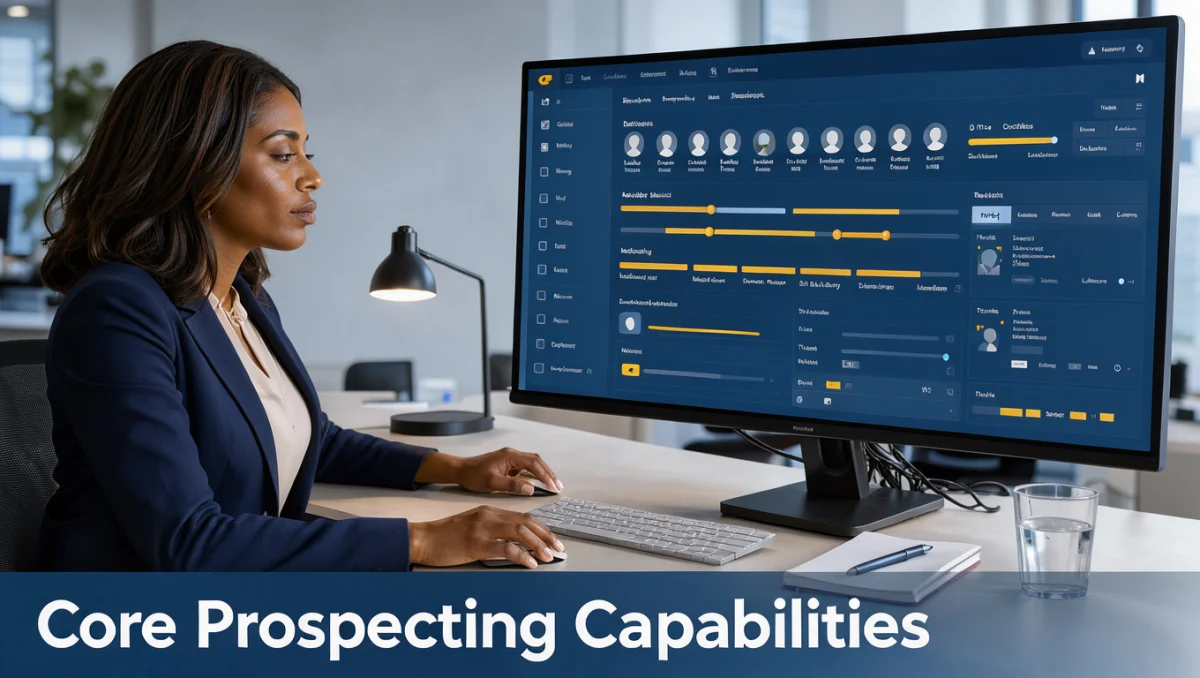
This review examines what Cognism is built to do, who it serves, and how it stacks up against similar tools. We apply seven EBusiness Reviews criteria: features, ease of use, pricing and value, integrations, audience fit, support, and competitive position. Plans, prices, and limits change frequently, so we flag what to verify on the official website before purchasing. This article was researched and drafted with the help of AI tools, then reviewed and edited by the EBusiness Reviews Editorial Team.
2. What Cognism Is and Who It Serves
Cognism is a B2B sales intelligence and data enrichment platform built to help commercial organizations find qualified business contacts. It offers company profiles, firmographic insights, mobile numbers, and direct email records across many industries and regions. By organizing verified intelligence, the platform helps revenue teams build targeted account lists and reach decision-makers.
The software is aimed mainly at business development representatives, sales managers, revenue operations specialists, and marketing teams running outbound prospecting. When evaluating modern sales solutions, businesses look closely at how contact records move through their existing tech stack. Outbound teams using the cognism outreach integration want to push verified prospect records into multichannel cadences without manual data entry.
Organizations focused on outbound calling, enterprise account mapping, and structured pipeline generation get the most value from this category. By contrast, small businesses that depend mainly on inbound marketing or local foot traffic seldom need a high-volume B2B data subscription.
3. Core Features for Outbound Prospecting

Evaluating sales intelligence platforms means understanding their core capabilities across data sourcing, compliance management, and workflow automation. The main operational areas mirror how sales teams engage prospects every day.
3.1. Contact Discovery and Firmographic Search
Contact discovery tools let sales professionals identify target accounts and decision-makers using precise filters. Teams can narrow results by job title, company headcount, industry, geography, and reporting hierarchy. This ensures reps build prospect lists that match their ideal customer profile before they launch email cadences or start dialing.
3.2. Phone Verification and Contact Data Sourcing
Contact accuracy determines how often outbound reps reach a live person. Platforms in this space source corporate switchboards, verified direct dials, mobile numbers, and professional email addresses. By prioritizing verified mobile numbers, the platform helps phone-first teams avoid wasted dialing time and reach decision-makers who work remotely or in hybrid offices.
3.3. Cadence and CRM Workflow Synchronization
Linking data discovery directly to sales engagement systems removes administrative friction from outbound campaigns. Contact properties, account tags, and records sync straight into sales automation tools, so reps can enroll new prospects into email steps, call lists, and social tasks right away. This sync keeps CRM records clean and prevents duplicate entries across the revenue tech stack.
3.4. Compliance Management and Registry Screening
Compliance management is an essential part of modern outbound prospecting, especially for organizations doing business in the United Kingdom and continental Europe. Sales intelligence tools often screen phone lists against national do-not-call registries to help teams follow regional marketing rules. Confirming compliance standards remains vital for outbound operations running international outreach.
4. Ease of Use and Learning Curve
Adopting a sales intelligence platform involves onboarding reps, configuring export settings, and building consistent list-building habits. The user experience strongly shapes how quickly a team folds prospect data into its daily cadences.
Search interfaces on sales data platforms usually feature intuitive search bars and filter panels, so new users can build basic prospect lists with little training. Mastering advanced filter logic, boolean operators, account mapping, and export rules, however, takes dedicated onboarding time for revenue operations teams. Agreeing on naming conventions and tagging rules early keeps messy records from polluting downstream cadence tools.
Reps who work mainly inside other tools can use browser extensions to look up contacts directly on corporate websites and professional networks. Checking that the extension and export workflows run smoothly within your team's everyday browsing environment helps drive high adoption.
5. Pros and Cons
Understanding both the strengths and the built-in limits of sales data platforms helps buyers make realistic purchasing decisions.
5.1. Operational Strengths
- Focuses heavily on direct mobile dials and international B2B contact verification.
- Boosts outbound efficiency by pushing prospect records straight into sales execution cadences.
- Supports regional telephone compliance through active registry screening.
- Offers detailed firmographic filtering so teams can define precise target account lists.
5.2. Operational Limits
- Annual commercial commitments may exceed the budget of early-stage startups.
- Contact coverage depth can vary by niche industry or region, so upfront testing is advisable.
- Export governance and credit consumption policies need ongoing admin monitoring to avoid mid-contract shortages.
6. Cognism Compared with Similar Prospecting Platforms
Looking at the competitive landscape helps buyers see how different sales intelligence platforms position themselves.
ZoomInfo targets large corporations and enterprise sales teams that need deep organizational charts, broad North American data coverage, and advanced revenue operations suites. Teams that prioritize deep corporate hierarchies in North America often consider ZoomInfo as their primary option.
Lusha targets small-to-midsize sales teams and individual recruiters who value fast onboarding, self-serve account setup, and lightweight browser lookups. It suits teams that want straightforward contact retrieval without a long deployment.
Kaspr focuses on individual sales professionals, small agency owners, and recruiters who want to pull contact details from professional social networks. Its emphasis is on accessible, personal prospecting rather than enterprise-wide revenue operations architecture.
Cognism sets itself apart with its emphasis on mobile phone data accuracy and robust compliance screening for European and international sales teams. Organizations running phone-centric outreach across Europe often place Cognism at the center of their outbound prospecting evaluations.
7. Who Should Use Cognism
Different business types gain varying levels of value from sales intelligence platforms, depending on their sales motion, geographic targets, and budget.
7.1. Mid-Market and Enterprise Outbound Sales Teams
Outbound teams with dedicated sales development reps running high-volume calling and email campaigns gain substantial value. Linking verified contact records directly to engagement tools keeps rep productivity steady and reduces pipeline bottlenecks.
7.2. International and European Revenue Operations
Organizations that operate across borders or call European prospects must adhere strictly to local calling registries. Teams running outreach across several European countries benefit from specialized compliance screening and verified mobile numbers.
7.3. Solo Professionals and Early-Stage Startups
Freelancers, solo consultants, and early-stage founding teams with modest outbound volumes may find annual sales intelligence contracts misaligned with their cash flow. These users often benefit more from lightweight, month-to-month lookup tools until their sales processes mature.
8. How to Choose the Right Plan
Vendors structure sales intelligence contracts around several usage dimensions. Reviewing these terms before signing prevents surprise operational limits or unexpected expansion costs.
| What to Check on the Official Website | Why It Matters for Your Business |
|---|---|
| User seat access policies | Determines whether licenses can be shared across sales development teams or must be assigned as individual named seats. |
| Export and credit allowances | Confirms how many contact records your reps can export into cadences and CRMs each month. |
| Regional data availability | Ensures contact coverage depth matches the exact geographic markets your outbound reps target. |
| Platform integration access | Clarifies whether your preferred sales engagement and CRM connectors are included in the base package. |
| Contract term and renewal terms | Ensures budget alignment with commitment lengths, cancellation windows, and annual payment terms. |
9. Frequently Asked Questions
How should teams prepare their sales engagement cadences before importing new contact data?
Teams should audit existing audience segments, draft tailored messaging steps, set up deliverability safeguards, and verify custom field mapping between platforms. Preparing cadence templates and establishing clear CRM ownership rules ensures exported prospect records enter organized, compliant sequences as soon as they are imported.
What should revenue operations check regarding contact export limits?
Revenue leaders should review monthly or annual export credit allocations, rollover policies, and team-wide pooling rules directly in the official contract. Clarifying these terms early prevents reps from unexpectedly exhausting their allowances during an active outbound quarter.
Why is telephone preference registry screening relevant for outbound sales?
Regulations in many countries restrict unsolicited marketing calls to numbers that are not registered on official opt-out lists. Intelligence tools that screen numbers against these registries help organizations stay compliant and avoid penalties during phone campaigns.
How do data platforms keep contact records accurate over time?
Providers regularly verify active phone connections, monitor corporate domain changes, track job-change notices, and clean out stale records. Revenue operations teams should also set up internal CRM deduplication workflows so outdated records do not conflict with newly enriched data.
10. Final Verdict
Choosing sales intelligence software means weighing data accuracy, workflow convenience, and contract terms against your organization's commercial goals. Feeding verified contact intelligence into structured sales cadences lets reps run disciplined prospecting campaigns without manual administrative delays.
| Evaluation Criterion | Score /10 | Assessment Summary |
|---|---|---|
| Features | 8.5/10 | Strong contact discovery, phone verification tools, and structured export options for outbound teams. |
| Ease of Use | 7.5/10 | Clean core interface, though configuring complex filters and admin mapping requires team onboarding. |
| Pricing and Value | 7.0/10 | Contract terms must be verified on the official website to confirm that credit limits match expected prospecting volume. |
| Integrations | 8.0/10 | Connects with major sales engagement and CRM systems; buyers should verify their specific configuration needs. |
| Audience Fit | 8.5/10 | Well suited to structured outbound sales teams and international prospecting operations targeting decision-makers. |
| Support | 7.5/10 | Buyers should review onboarding assistance and technical account management availability before contracting. |
| Competitive Position | 7.5/10 | Holds a distinct position in international phone accuracy and compliance screening among industry peers. |
| Overall Score | 7.8/10 | A disciplined sales intelligence platform suited to teams running structured outbound phone and email cadences. |
For mid-market and growing sales teams that need verified B2B mobile numbers and international contact compliance, Cognism is a focused candidate worth evaluating. Smaller teams or solo professionals with low prospecting volume should weigh whether their projected outreach justifies an annual subscription.
Readers with questions about sales software selection are welcome to get in touch through the EBusiness Reviews contact page or follow updates on the official EBusiness Reviews LinkedIn company profile.