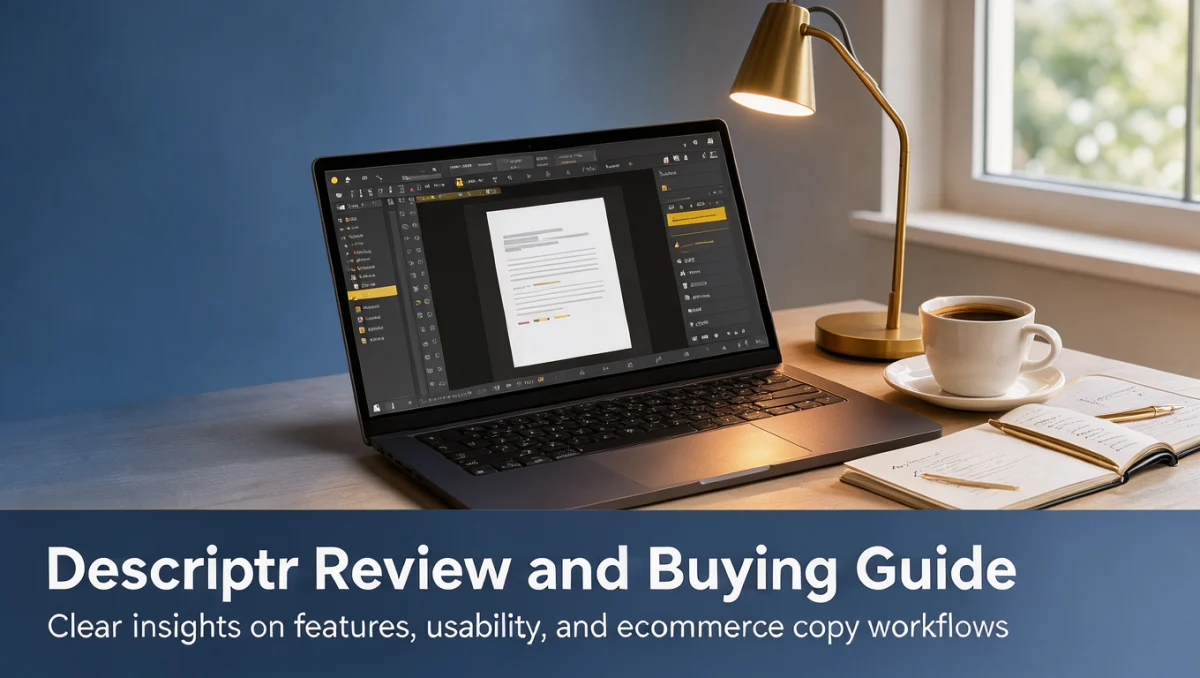
Searching for a descriptr alternative? Start with how the platform works. It builds product descriptions, ecommerce listings and marketing summaries from structured inputs, letting online sellers and content teams publish faster. Before you commit, it helps to know what it produces well, where its limits lie, and whether its workflow fits your catalog.
Automated writing tools trade consistency against editorial control. Teams with growing inventories use specialized generators to keep publishing on schedule without drafting every summary from zero. The key question is whether the templates and editing workflow match your multichannel marketing routine.
Quick verdict: The platform earns 7.5 / 10 for its focused approach to commercial copy and simple generation interface. It suits small ecommerce brands, independent merchants and solo creators who need structured product text. It is a weaker fit for enterprises with multi-department sign-offs or long-form investigative work.
| Evaluation Metric | Summary |
|---|---|
| ebusinessreviews score | 7.5 / 10 |
| Best for | Online storefront operators, boutique agencies and independent copywriters who want fast product text drafts. |
| Not ideal for | Organizations that need complex custom development pipelines or deep multi-tier approval workflows. |
| Key strengths | Templates built for commercial item descriptions, quick draft generation and an accessible revision panel. |
| What to check before buying | Review the official plan comparison page for export options, generation limits and seat rules. |
1. How ebusinessreviews Reviewed Descriptr
This review examines what the tool is built to do, who it serves and how it compares with similar products. We assessed it against seven criteria: features, ease of use, pricing and value, integrations, audience fit, support and competitive position. Plans, prices and limits change often, so confirm current details on the official website before purchasing. This article was researched and drafted with AI assistance, then reviewed and edited by the ebusinessreviews Editorial Team.
2. What Descriptr Is and Who It Is For
The platform is specialized content software designed mainly to produce marketing summaries, ecommerce listings and commercial text assets. It takes product specifications, feature bullets and brand parameters and turns them into readable descriptions for online stores and digital catalogs. By automating the first drafting stage, it addresses the repetitive writing demands common in retail.
Its main users are direct-to-consumer store owners, retail marketers, freelance catalog managers and creative teams that handle ongoing merchandising updates. When a store launches dozens of new products, writing every variation by hand creates bottlenecks. Software built for commercial copy lets operators keep formatting consistent while shortening time to market.
Modern merchandising needs speed, but quality still depends on systematic human review. Artificial Intelligence writing platforms work best as accelerators for skilled editors rather than replacements for them. Understanding that relationship prevents unrealistic expectations about tone refinement and factual accuracy.
3. Core Features
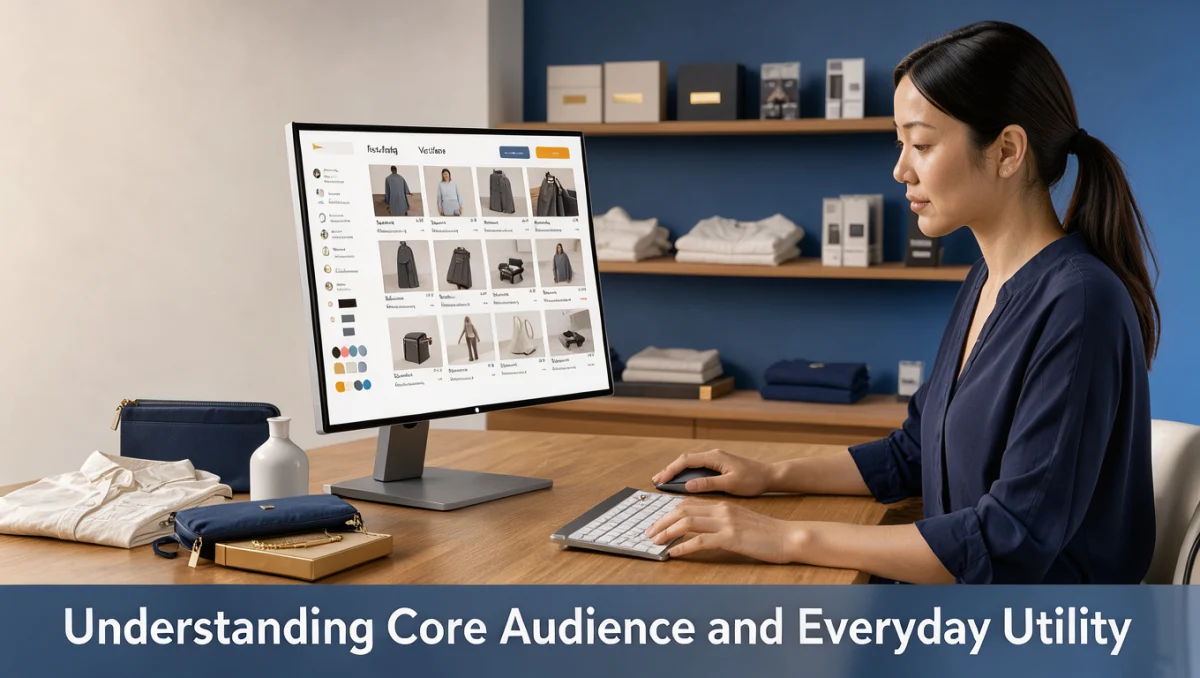
The tool is built around structured writing workflows, brand voice adjustments and easy exports. Instead of open-ended composition with little guidance, it provides defined fields tailored to commercial copy.
3.1. Structured Product Description Generation
The core function converts product attributes into complete retail paragraphs and bulleted summaries. Users enter key details such as materials, dimensions, target audience and main selling points into predefined fields. The software then assembles these into cohesive summaries suited to ecommerce product pages.
This input method reduces writer fatigue by removing blank-page paralysis. Team members don't need advanced prompting skills because the interface asks guided questions about each item. The drafts give copywriters a coherent starting point they can quickly review and check against physical samples.
3.2. Tone and Stylistic Customization
A consistent brand voice across different product categories supports merchant credibility. The tool offers settings to choose or define stylistic parameters, from professional and understated to energetic or playful. These settings shape sentence construction and vocabulary across outputs.
Shared tone settings help multi-author teams keep to brand guidelines without heavy manual revision. When freelancers or junior staff draft listings, agreeing on parameters in advance creates a recognizable verbal identity across marketing touchpoints.
3.3. Batch Drafting and Catalog Processing
Merchants running large catalogs need efficient handling of many listings at once. The platform supports batch workflows where operators upload or enter groups of inventory data for sequential draft production. This cuts repetitive entry when publishing large collections.
After generation, users can compare drafts side by side inside the application before exporting to their store management system. Teams should check how easily their inventory spreadsheets map to the input fields to get the most out of this feature.
3.4. Content Refinement and Editorial Tools
Automated copy almost always needs editorial polish before publication. The built-in editing environment lets writers change phrasing, swap vocabulary, expand sections or rewrite sentences. This keeps human judgment central to the publishing process.
The editing tools also help create alternate phrasing for promotional variants, email announcements and social snippets based on the base description. Having these related drafts in one panel simplifies cross-channel campaign preparation.
4. Ease of Use and Learning Curve
A key advantage of focused copy generators is a gentler learning curve than multipurpose creative suites. The platform uses a clean, form-based interface that walks users from data entry to draft generation without technical training. Most team members can produce usable drafts on their first day.
Navigation centers on clear panels for input, generation history and document editing. Because the tool concentrates on commercial copy rather than broad code or graphic design, its menus stay focused and uncluttered. This simplicity suits small operations without dedicated technology administrators.
The main friction point is input quality. Generative writing depends heavily on the precision of the product details the operator supplies. Teams that set clear internal guidelines for input data get smoother onboarding and more consistent results.
5. Pros and Cons
Evaluating commercial software means weighing daily advantages against realistic limitations. Below is an objective summary of strengths and trade-offs for this class of writing tool.
5.1. Pros
- Guided input fields reduce writer's block when handling large retail catalogs.
- Tone selection settings help small merchant teams keep a consistent commercial voice.
- A straightforward dashboard keeps onboarding short for new staff.
- The built-in editor allows immediate human revision and quality control.
- A focus on retail copy avoids the distractions of general writing suites.
5.2. Cons
- Human fact-checking is needed to confirm that physical product specs are accurate.
- Phrasing can grow repetitive across large inventory runs without active editing.
- The specialized focus makes it less suitable for long-form investigative or academic writing.
6. Descriptr vs Similar Tools
The automated copywriting category includes several well-known alternatives, each aimed at different needs. Knowing these differences helps buyers choose the platform that fits their main publishing goals.
Jasper targets broader corporate marketing teams that need full-funnel content support, from blog posts and campaign briefs to multichannel ad copy. Organizations wanting an all-in-one creative hub with cross-team collaboration often choose Jasper, while operations that prioritize fast, dedicated product listings may prefer streamlined retail tools.
Copy.ai emphasizes flexible workflow automation, sales funnels and business development messaging. Teams that want to automate prospecting outreach alongside regular marketing copy often evaluate Copy.ai for its broad workflow builder, while merchants focused purely on catalog expansion find dedicated listing generators simpler to deploy.
Writesonic focuses on search-oriented article drafting and digital advertising templates. Its strength in long-form search content suits publishing blogs and affiliate networks, while retail stores often find catalog-centric tools offer cleaner interfaces for itemized inventory work.
7. Who Should Use Descriptr
Software value depends on how well the tool matches your team's daily work. Looking at common user segments helps clarify whether this platform fits your needs.
7.1. Independent Ecommerce Store Owners
Boutique retailers often handle photography, fulfillment, customer service and copy on their own. For solo operators, writing unique listings for dozens of products takes valuable hours. Listing software lets store owners produce solid foundational copy quickly, freeing time for sourcing and customer engagement.
7.2. Digital Marketing Agencies Serving Retail Clients
Agencies onboarding retail clients often face tight deadlines for full catalog refreshes. Specialized commercial writing software gives junior staff a structured framework for rapid first drafts. Professional copywriters can then spend billable hours on high-value refinement rather than blank-page composition.
7.3. Freelance Catalog and Marketplace Managers
Contractors managing third-party marketplace listings benefit from systematic generation workflows. Guided inputs make sure essential selling specifications are captured every time, reducing omissions and improving consistency across different merchant accounts.
7.4. Teams That Should Look Elsewhere
Organizations focused on investigative journalism, academic research or technical engineering manuals will find specialized retail copy tools too limited. Enterprise brands that need on-premise governance, complex single sign-on or custom model training should look at broader enterprise content suites.
8. How to Choose the Right Plan
Subscription models often change their package contents, export allowances and collaboration options. Prospective buyers should check the official vendor site for current terms before ordering.
| What to check on the official pricing page | Why it matters for your budget |
|---|---|
| Output or generation allowances | Confirm that allowances match your monthly catalog volume to avoid overage costs. |
| Seat allocation and user permissions | Verify how many editors can work in the workspace at the same time. |
| Export and integration options | Check whether exports fit smoothly into your ecommerce system or spreadsheet formats. |
| Account management and support channels | See what help is available during business hours for troubleshooting. |
| Billing intervals and cancellation terms | Compare monthly commitments with annual agreements before choosing. |
9. FAQ
How should teams prepare product data before using generation software?
Teams get the best results by compiling clean product specifications beforehand, including dimensions, core materials, intended uses and key differentiators. Precise, factual inputs produce accurate descriptions that need minimal correction during editorial review.
What safeguards prevent automated copy from including factual errors?
A mandatory human review step before publication is the most reliable safeguard. Software can assemble persuasive sentences, but specialists must verify that measurements, warranty details and compatibility notes match the physical product before anything goes live.
How do retail teams keep brand voice consistent across multiple writers?
Brands keep verbal consistency by setting clear internal style guides and configuring shared tone settings in their writing platform. When every contributor uses the same voice definitions, drafts share vocabulary and structure no matter who submits them.
What signs suggest a team should upgrade its content tooling?
Growing catalog backlogs, delayed product launches and editorial fatigue all signal that manual writing needs technological support. If writers spend most of their time on repetitive baseline specifications instead of high-impact campaigns, automated drafting software offers measurable relief.
Where should buyers verify current plan limits and pricing?
Always check the official vendor website before committing. Because software vendors frequently adjust packages, user allotments and usage thresholds, the official pricing page is the reliable source for budgeting.
10. Final Verdict
In our full review, the platform proves to be an effective, specialized tool for commercial operators who need structured ecommerce copy and retail descriptions. Guided input prompts, adjustable tone settings and an accessible revision environment streamline what is usually a time-consuming merchandising task.
| Criterion | Score / 10 | Reason |
|---|---|---|
| Features | 7.5 / 10 | Focused commercial templates and tone controls, with a narrower scope than general suites. |
| Ease of Use | 8.5 / 10 | Form-based interface with a short onboarding period. |
| Pricing and Value | 7.0 / 10 | Reasonable for small catalogs; check generation limits against your volume. |
| Integrations | 7.0 / 10 | Exports work for common workflows; verify compatibility with your store system. |
| Audience Fit | 8.0 / 10 | Strongest for independent merchants and boutique agencies. |
| Support | 7.0 / 10 | Adequate for standard troubleshooting; confirm channels on the official site. |
| Competitive Position | 7.5 / 10 | Clear niche in product copy, though broader tools cover more content types. |
Overall score: 7.5 / 10
For independent ecommerce merchants and boutique agencies, this software is a practical way to speed up catalog preparation while keeping writing workload manageable. Teams with specialized technical documentation needs or complex enterprise approval structures should consider broader corporate suites. For questions, reach the ebusinessreviews team through the EBusiness Reviews contact page at https://ebusinessreviews.net/contact/ or follow ebusinessreviews on LinkedIn at https://www.linkedin.com/company/ebusinessreviews/.