ebusinessreviews may earn a commission when you buy through links on this page, at no extra cost to you. This does not affect our ratings.
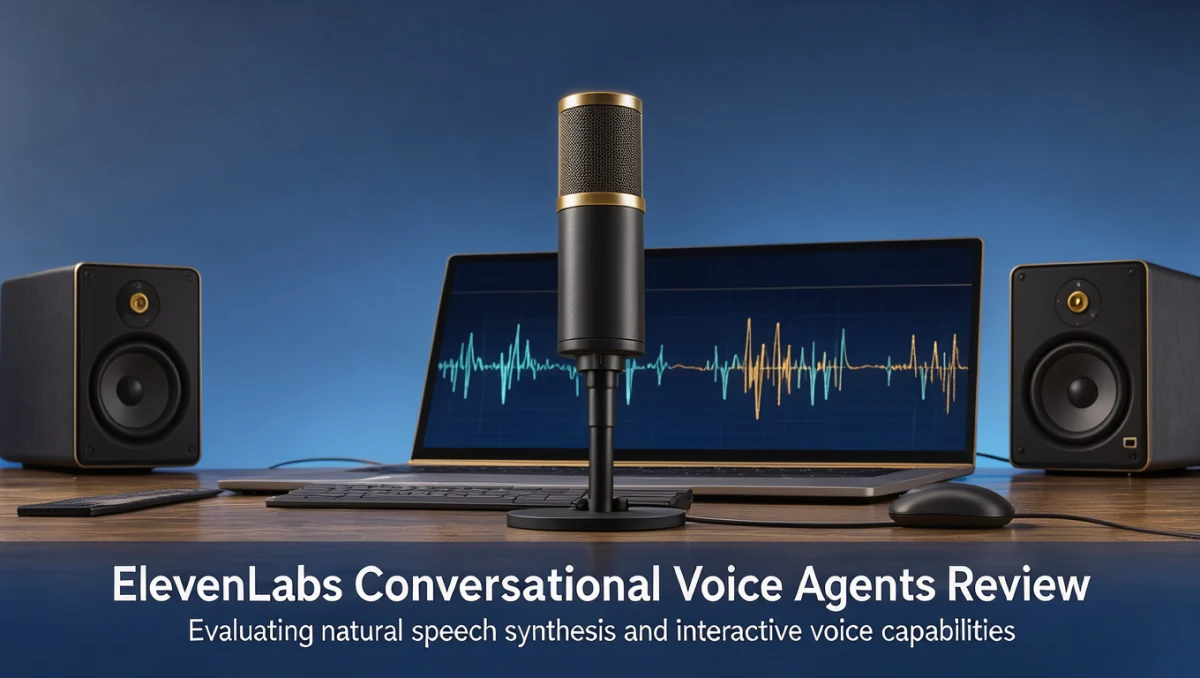
Modern businesses are rethinking how they answer the phone. elevenlabs conversational voice agents combine speech synthesis, response generation, and spoken comprehension so that a caller can talk naturally with an automated system instead of pressing numbers through a rigid menu. At EBusiness Reviews, we focus less on polished demo clips and more on what happens in day-to-day operations: timing, reliability, and the practical hurdles of putting a voice system in front of real customers.
Spoken automation has moved well beyond prerecorded prompt trees. Dynamic, conversational exchanges now sit at the center of many AI-driven service workflows. Choosing a tool in this space means checking how quickly it responds, how well it keeps a dialogue on track, and how costs scale as call volume grows.
Quick verdict: With a 7.9/10 ebusinessreviews score, elevenlabs conversational voice agents suit teams that want natural-sounding speech and fluid spoken dialogue. They are less suitable for operations that require fully offline processing, or for buyers who cannot confirm usage-based charges on the official website before launch.
| Metric | Details |
|---|---|
| ebusinessreviews score | 7.9/10 |
| Best for | Teams prioritizing lifelike synthetic speech in interactive conversations |
| Not ideal for | Operations requiring on-premise execution, or teams needing a fixed flat-rate monthly cost |
| Key strengths | Natural voice generation and configurable conversational turns |
| What to check before buying | Official billing metrics, expected response latency, and workspace seat limits |
1. How ebusinessreviews Reviewed This Platform
This review examines what the platform is designed to do, who it serves, and how it stacks up against similar tools. We applied the seven ebusinessreviews criteria: features, ease of use, pricing and value, integrations, audience fit, support, and competitive position. Plans, prices, and limits change frequently, so we flag the items you should confirm on the official website before committing. This article was researched and drafted with the help of AI tools, then reviewed and edited by the ebusinessreviews Editorial Team.
2. What Are ElevenLabs Conversational Voice Agents and Who Are They For
These are software systems built to hold spoken, two-way conversations with people. The system receives incoming speech, works out what the caller wants, formulates a relevant reply, and speaks that reply aloud using synthetic speech. Standard text-to-speech tools produce static audio clips; a conversational agent instead takes part in a live exchange.
The capability was developed to extend synthetic speech into telephone service lines, support desks, and programmatic voice interfaces. Typical users include organizations that want automated phone representatives, dynamic voice assistants, or interactive training simulations. By swapping rigid phone menus for natural back-and-forth dialogue, companies aim to resolve routine questions while keeping a human-like vocal rhythm.
Buyers should understand that conversational voice software is more complex to run than simple audio generation. Beyond vocal clarity, these systems depend on how the conversation is steered, how interruptions are handled, and how latency is managed across different network conditions.
3. Core Features of ElevenLabs Conversational Voice Agents
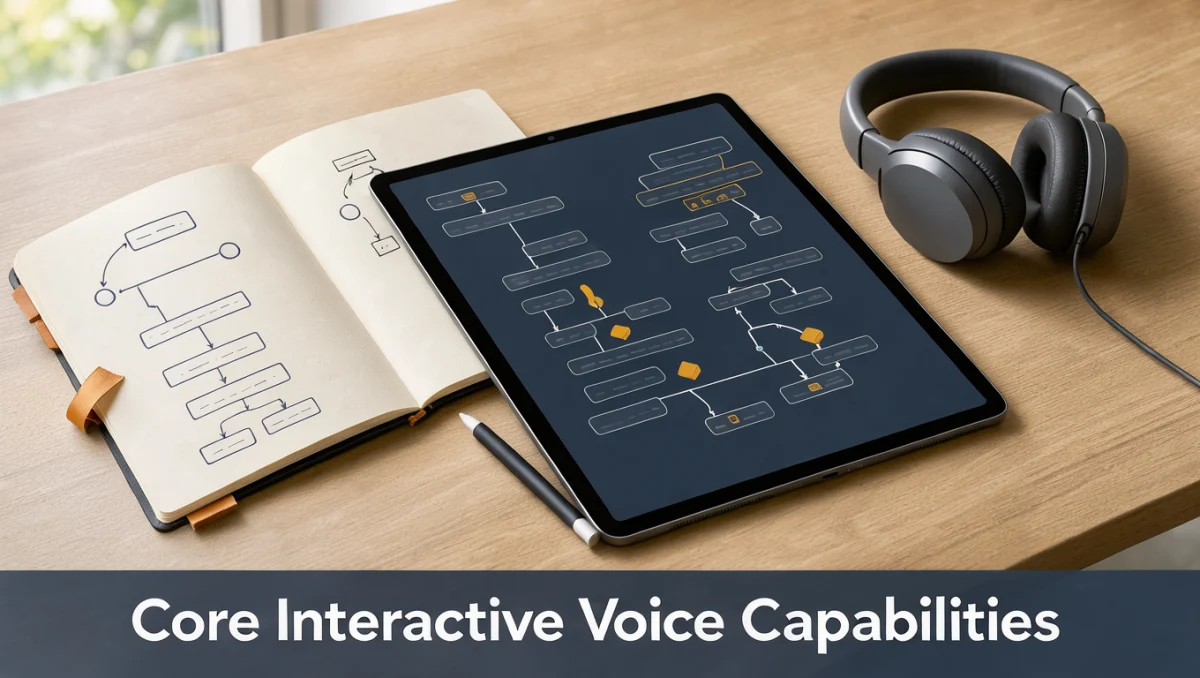
Conversational voice systems rely on several foundational capabilities to carry out spontaneous spoken exchanges. Understanding these areas helps teams decide what to test before committing resources.
Spoken Dialogue Handling and Turn-Taking
Live voice interaction requires responsive turn-taking between caller and agent. The dialogue engine detects pauses that signal a caller has finished speaking before it starts synthesizing a reply. It also manages interruptions, stopping its own speech when the caller talks over it.
Teams should judge whether the pacing feels natural during complex exchanges. Many conversational platforms show short delays while transcribing input, generating a response, and synthesizing speech, so latency testing should be a core part of any evaluation.
Voice Customization and Persona Configuration
Configuring the agent involves setting the vocal tone, stability, and character of its persona. Administrators can choose synthetic voice styles that suit their brand, from formal customer support tones to a more casual conversational style. A consistent voice across many calls helps reinforce brand identity.
Persona maintenance also includes writing system instructions that shape behavior. Buyers must decide how the agent introduces itself, how it clarifies unclear questions, and when it should escalate a request to a human.
Knowledge Grounding and Conversational Context
A conversational agent needs accurate reference material to give useful answers. Knowledge grounding lets teams anchor the voice persona in company policies, product details, or troubleshooting steps. This reduces the chance of the agent inventing incorrect statements during a call.
Designers should confirm how reference content is ingested and kept current on the official platform. Keeping knowledge up to date ensures callers receive guidance that reflects the latest policy changes.
4. Ease of Use and Learning Curve
Configuring conversational agents means balancing simple interface controls against more involved dialogue engineering. A basic spoken flow can be set up fairly quickly using default configurations and standard prompts. The initial workflow typically lets administrators pick a voice, write a basic system prompt, and test dialogues directly in the configuration console.
The learning curve steepens when teams refine behavior for edge cases. Writing prompts that avoid circular conversations, handling background noise, and designing clean handoffs all require systematic testing. Voice designers need time to learn how small wording changes affect conversational timing and comprehension.
Non-technical staff can manage voice selection and update reference text without writing code. However, running voice pipelines across complex call routing generally requires technical colleagues who understand conversational architecture.
5. Pros and Cons of ElevenLabs Conversational Voice Agents
Evaluating these tools means weighing vocal realism against the operational constraints common to synthetic voice systems.
Advantages of the Platform
- Produces natural vocal cadence and expressive speech during interactive turns.
- Offers configurable agent personas that align with varied corporate communication styles.
- Supports automated turn-taking, including detection of caller interruptions.
- Enables knowledge grounding to keep answers factually consistent across repetitive support calls.
Operational Considerations and Disadvantages
- Response latency can vary with network stability and the complexity of response generation.
- Keeping dialogue boundaries sound requires continuous prompt refinement and testing.
- Usage-based pricing can make monthly voice budgets hard to forecast without strict caps.
Teams can reduce latency risk by keeping knowledge entries concise and testing telephony paths under varying network conditions.
6. ElevenLabs Conversational Voice Agents vs Similar Tools
The conversational voice market includes several well-known alternatives, each targeting different enterprise priorities. Comparing their general positioning helps buyers find the right fit for their technical stack.
| Platform | Primary Positioning | Key Advantage | Buyer Consideration |
|---|---|---|---|
| ElevenLabs | Synthetic voice realism and expressive interactive voice agents | Lifelike conversational speech synthesis | Confirm usage rates and turn latency on the official site |
| Amazon Lex | Integrated cloud contact center and enterprise voice infrastructure | Integration with broader cloud computing suites | Voice naturalness depends on connected speech synthesis components |
| Google Cloud Dialogflow | Enterprise natural language understanding and multi-channel bots | Established dialogue modeling and intent mapping | Complex setup curve for teams focused solely on voice quality |
Amazon Lex suits enterprises already invested in a broad cloud ecosystem that want integrated call center routing. Google Cloud Dialogflow serves organizations that need complex multi-turn intent structures across text and voice. ElevenLabs conversational voice agents are geared toward organizations that place the greatest weight on expressive vocal quality and human-like cadence.
7. Who Should Use ElevenLabs Conversational Voice Agents
Different roles get different value from conversational voice software. Identifying your operating model helps determine whether this platform matches your needs.
Customer Support Teams
Support departments handling high volumes of recurring inquiries can use voice agents to resolve standard questions. Routine requests about opening hours, account verification steps, or basic troubleshooting can proceed through automated dialogue, freeing human representatives for sensitive escalations.
Small Business Owners and Service Operators
Small service businesses that miss calls during busy periods can use a voice agent as an automated receptionist. The agent answers, captures the caller's intent, collects scheduling preferences, and logs details for follow-up. Owners should review the official pricing structure to confirm automated call handling stays cost-effective compared with standard voicemail.
Marketing and Interactive Media Teams
Creative agencies and marketing professionals can deploy voice personas for interactive campaigns. A realistic synthetic tone lets teams build engaging narrative experiences without booking studio sessions for every script variation.
When to Consider Alternative Solutions
Organizations working in secure offline environments, or in regions with unreliable connectivity, should avoid cloud-dependent voice systems. Businesses that only need simple push-button menus without natural language dialogue may be better served by traditional telephone routing at lower operational complexity.
8. How to Choose the Right Plan
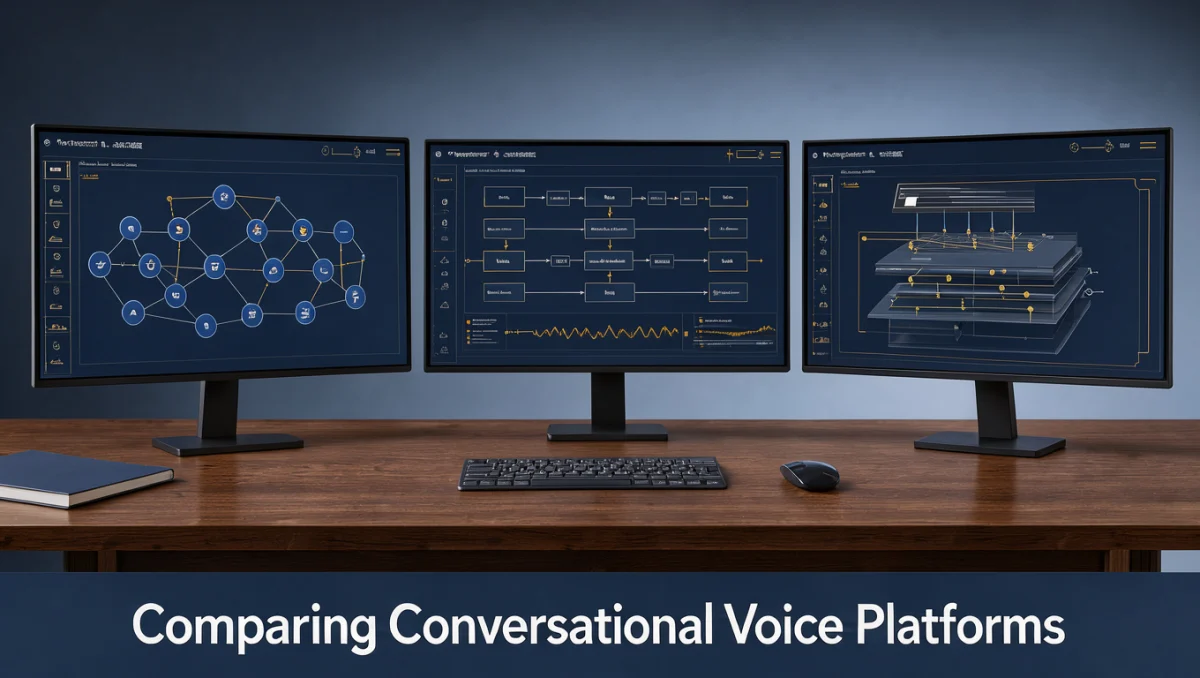
Voice software providers adjust subscription tiers, seat allowances, and usage thresholds over time. Prospective buyers should check current terms directly on the official ElevenLabs pricing page before signing any agreement.
| What to Check on the Official Pricing Page | Why It Matters |
|---|---|
| Voice computation units and minute allowances | Conversational dialogue consumes voice synthesis quickly, directly affecting monthly invoices. |
| Concurrent call and conversation session caps | Determines how many simultaneous customer calls the platform can handle before queuing or dropping connections. |
| Team seat allocations and administrative permissions | Affects how many voice designers and developers can work inside the management workspace. |
| Custom voice generation limits | Influences your ability to deploy distinct branded voices across multiple product lines. |
| Overage charges and billing alert thresholds | Helps prevent unexpected budget spikes during unplanned call volume surges. |
Set internal traffic projections before comparing vendor tiers. Estimating expected daily call volume and average session length helps you select a subscription that avoids costly overage fees.
9. Frequently Asked Questions
How should teams prepare knowledge documentation for conversational voice agents?
Knowledge documentation should consist of concise, factual questions and answers written in clear, conversational language. Spoken agents handle short reference passages far better than long, dense manuals. Teams should review and test this material regularly so the agent gives current instructions during live calls.
What factors influence voice agent response speed during phone calls?
Response timing depends on network transit speed, speech-to-text processing, text generation time, and voice synthesis rendering. When any step in this chain slows down, callers notice a pause before the agent replies. Keeping prompts concise and testing connections across your target telephone networks helps minimize hesitation.
What should organizations budget for besides base software subscriptions?
Budget for telephone network connectivity, call routing services, system integration work, and ongoing prompt maintenance. Usage spikes can also generate synthesis overages beyond monthly allowances. Accounting for these supporting costs prevents surprise overruns as deployment expands.
How do administrators decide when a caller should transfer to a human staff member?
Administrators define escalation rules based on caller sentiment, repeated confusion, or specific sensitive intents. If a caller expresses frustration or asks for a person, the agent should acknowledge the request and transfer promptly. Documenting clear handoff rules protects customer trust when automated resolution falls short.
10. Final Verdict
ElevenLabs conversational voice agents offer a sophisticated approach to interactive voice design, with strong emphasis on vocal realism and expressive delivery. The technology moves well beyond the mechanical feel of legacy phone menus, but organizations still need to manage dialogue logic carefully and confirm usage pricing on the official site before scaling production call operations.
| Criterion | Score /10 | Reason |
|---|---|---|
| Features | 8.8 | Delivers lifelike speech synthesis paired with responsive turn-taking and interruption detection. |
| Ease of Use | 8.0 | Straightforward setup for basic dialogues, with an expected learning curve for intricate prompt engineering. |
| Pricing and Value | 7.2 | Review current usage allowances on the official website to verify cost sustainability against projected call volumes. |
| Integrations | 7.4 | Check official developer documentation to confirm alignment with your existing telephony and CRM systems. |
| Audience Fit | 8.4 | Strong match for organizations that need natural voice personas across automated customer interactions. |
| Support | 7.0 | Examine available documentation, community channels, and official assistance levels before a mission-critical rollout. |
| Competitive Position | 8.2 | Maintains an expressive synthesis advantage while competing against large cloud infrastructure platforms. |
Overall ebusinessreviews Score: 7.9/10
Teams seeking natural, lifelike voice automation will find substantial value here. Confirm your expected call concurrency, review official tier structures, and run real-world latency tests before finalizing your purchase.
Have questions about choosing conversational voice tools for your business? Send them to the ebusinessreviews team through our contact page, or follow ebusinessreviews on LinkedIn for our latest software analyses. Visit EBusiness Reviews for more independent software evaluations, and browse our Artificial Intelligence coverage for related tools.