EBusiness Reviews may earn a commission when you buy through links on this page, at no extra cost to you. This does not affect our ratings.
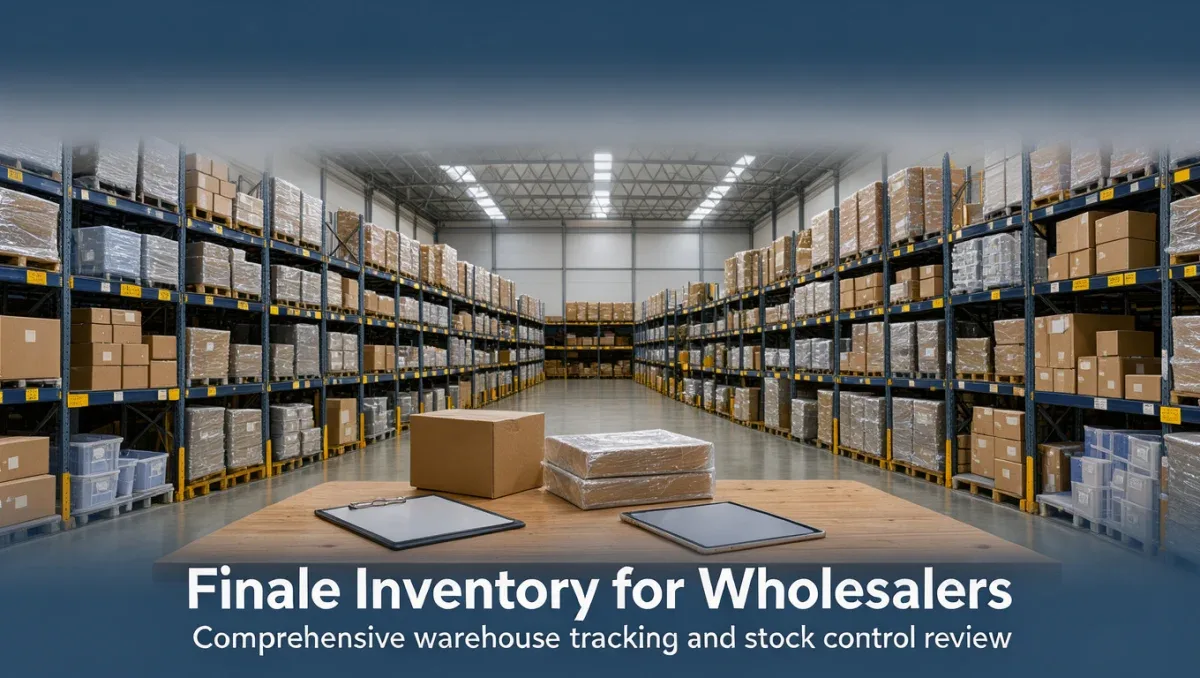
Wholesale operators need a system that keeps stock accurate across warehouses, purchase orders and several sales channels at once. Finale inventory for wholesalers is built for that job, and this guide walks through where it performs well and where it may not suit your operation. You can also explore our EBusiness Reviews library for more software comparisons.
Bulk distributors often run into trouble with retail-oriented tools that were never designed for carton-level breakdowns, multi-bin storage or supplier replenishment cycles. The right question is not whether a platform sounds capable, but whether it matches your real warehouse layout and order mix.
Quick verdict: We rate Finale Inventory 7.9/10. It is a practical pick for wholesale merchants and multichannel distributors running physical warehouses. It is less suited to heavy discrete manufacturing or teams that want a complete accounting suite in one product.
| Evaluation factor | EBusiness Reviews assessment |
|---|---|
| EBusiness Reviews score | 7.9/10 |
| Best for | Growing wholesale distributors, multichannel sellers and bulk product merchants |
| Not ideal for | Advanced discrete manufacturers or micro-businesses that only need a spreadsheet replacement |
| Key strengths | Warehouse stock tracking, purchase order oversight and multichannel inventory sync |
| What to check before buying | Subscription tiers, order volume caps and third-party connector compatibility on the official website |
1. How EBusiness Reviews Tested Finale Inventory
We assessed Finale Inventory against seven criteria: features, ease of use, pricing and value, integrations, audience fit, support and competitive position. Plans, prices and limits change frequently, so we flag what to confirm on the official website before purchase. This article was researched and drafted with AI assistance, then reviewed and edited by the EBusiness Reviews Editorial Team.
2. What Finale Inventory Is and Who Uses It
Finale Inventory is inventory management software designed to help product-focused businesses track stock levels, run purchasing workflows and coordinate order fulfillment across several storage locations. Its core audience is growing distributors, wholesale suppliers and multichannel e-commerce merchants that handle large unit volumes and quick stock turns.
Wholesale distributors juggle bulk cases alongside single-unit fulfillment and must keep track of vendor restock timelines. Finale Inventory centralizes stock movements from supplier purchase order to customer dispatch, which helps teams avoid both stockouts and overselling.
- B2B distributors supplying regional retailers and trade accounts
- Multichannel merchants fulfilling bulk orders alongside consumer packages
- Warehouse teams that need structured barcode receiving and shipment checks
3. What Finale Inventory Helps You Do

Wholesale inventory software has to manage product flow from the moment goods reach the receiving dock until they leave on a truck. Finale Inventory groups these tasks into operational areas that mirror physical warehouse processes.
3.1. Centralized Stock and Warehouse Location Management
The platform lets warehouse teams map storage locations, record bin numbers and log stock movements across several facilities. Wholesalers can separate bulk reserve areas from primary picking shelves, keeping counts accurate when stock moves between holding bays and packing stations. Buyers should test how their staff record sub-locations and verify counts during intake audits.
3.2. Purchasing, Reordering and Supplier Oversight
Wholesale buying means tracking lead times, bulk supplier agreements and inbound freight across many product lines. Finale Inventory helps purchasing managers raise purchase orders, log partial supplier receipts and set reorder thresholds based on how quickly stock depletes. Teams should confirm vendor documentation workflows on the official website so supplier order formats match their accounting requirements.
3.3. Multichannel Sales Order Coordination
Many wholesale operators sell through B2B portals while also managing listings on several e-commerce marketplaces. Finale Inventory pulls orders from multiple channels and deducts stock from a shared central pool to keep balances accurate. Buyers should review order routing rules to see how backorders and reserved stock behave across parallel sales streams.
4. Ease of Use and Learning Curve
Inventory platforms built for warehouse scale carry a learning curve because they must mirror physical logistics. Finale Inventory balances operational depth with fairly straightforward data structures, though new staff still need structured onboarding before they master transaction workflows.
- Navigation and familiarity: Staff used to desktop inventory systems or disciplined spreadsheets usually adapt quickly to transaction records, while occasional users may find inventory valuation conventions demanding at first.
- Staff onboarding: Warehouse pickers need guided training on barcode scanning and packing routines to prevent discrepancies during fast dispatch windows.
- Catalog setup effort: Importing large SKU catalogs with varied unit-of-measure conversions requires careful data preparation before routine operations run smoothly.
5. A Two-Week Evaluation Plan for Finale Inventory
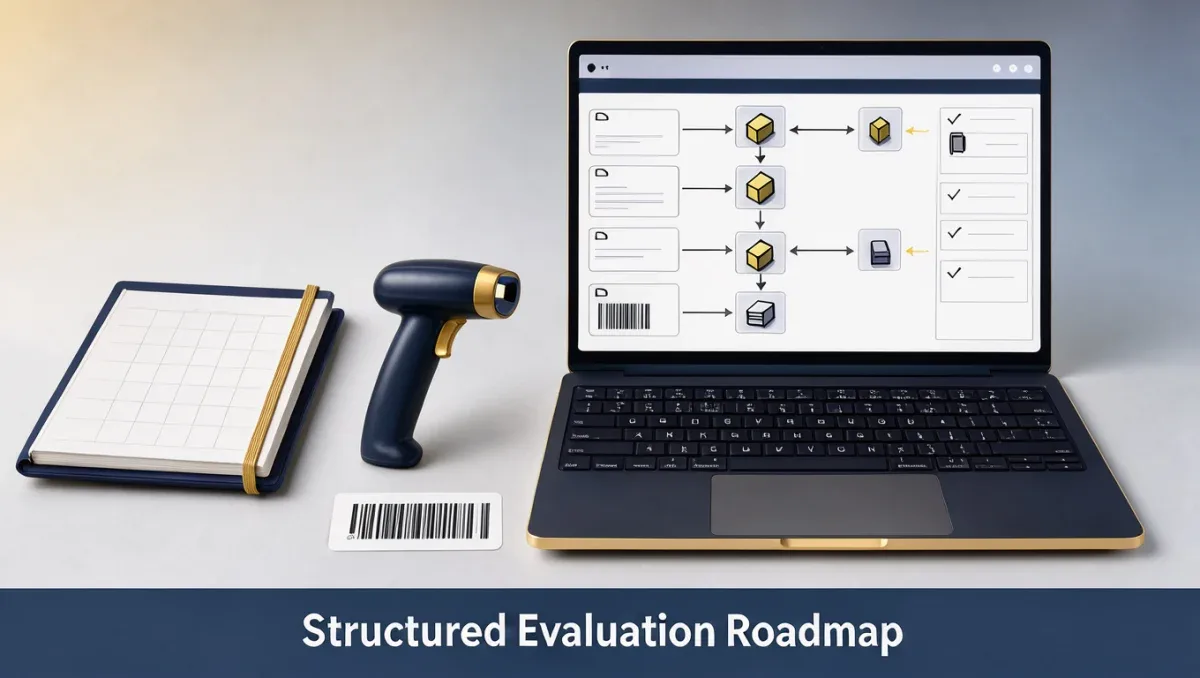
Testing logistics software takes structured trials, not casual browsing. Follow this fourteen-day plan to check Finale Inventory against your real distribution needs.
- Days 1–3: Import a representative product sample with variable units of measure, set up sample warehouse bins and create vendor profiles to test how flexible the data structure is.
- Days 4–7: Simulate full purchasing cycles by generating supplier purchase orders, recording partial receipts and moving stock between virtual storage locations.
- Days 8–14: Process mock wholesale orders through picking, packing and dispatch, checking stock deduction accuracy and running end-of-period valuation summaries.
6. Where Finale Inventory Shines and Where It May Fall Short
Every platform involves trade-offs, especially in high-velocity distribution environments. Weighing operational strengths against practical limits helps set realistic expectations.
| Operational area | Shines when | May fall short when |
|---|---|---|
| Warehouse stock tracking | Distributors need multi-location visibility and structured bin tracking | Operations depend on heavy automated conveyor routing software |
| Purchasing and replenishment | Buyers manage continuous supplier orders and variable receipt schedules | Organizations need built-in complex contract renegotiation tools |
| Multichannel order routing | Businesses allocate stock across wholesale and online sales streams | Companies run primarily as custom build-to-order manufacturing shops |
| Accounting handoff | Teams export transaction journals to external accounting ledgers | Finance officers expect an all-in-one general ledger replacement |
7. Finale Inventory Compared with Similar Tools
Wholesale businesses compare inventory software by operational focus, catalog scale and how well each platform fits existing applications. The table below shows where Finale Inventory sits beside other known inventory tools.
| Inventory platform | Best for | Core focus |
|---|---|---|
| Finale Inventory | Growing wholesale distributors and multichannel sellers | Warehouse inventory tracking and multichannel stock management |
| Cin7 | Complex retail-and-wholesale brands with extensive point-of-sale networks | Unified multi-entity supply chain and retail inventory orchestration |
| Katana | Direct-to-consumer manufacturers and workshop producers | Visual manufacturing order scheduling and bill-of-materials management |
| inFlow Inventory | Small trade operations and light B2B product businesses | Simple sales order tracking and basic commercial invoicing |
8. Who Should Use Finale Inventory
Satisfaction with software depends heavily on company scale, order volume and internal team capability. This matrix shows which business profiles match Finale Inventory's design.
| Business profile | Fit assessment | Operational considerations |
|---|---|---|
| Wholesale distributors | Recommended | Matches needs when managing bulk quantities, bin locations and purchase workflows. |
| Multichannel merchant operators | Recommended | Useful for syncing stock pools across private B2B accounts and digital storefronts. |
| Light assembly operations | Conditional | Suitable for basic bundling and kitting, but verify support for multi-stage bills of materials. |
| Solo retailers and freelancers | Not recommended | Operational depth and warehouse configuration exceed simple retail shop needs. |
| Heavy discrete manufacturers | Not recommended | Requires shop-floor machine scheduling tools beyond standard inventory control scope. |
9. Pricing at a Glance
Vendors adjust subscription packages, order limits and add-on module charges over time. Confirm these cost components directly on the official vendor resources before committing.
- Check monthly order limits on the official Finale Inventory pricing page to see how seasonal peak volume affects your subscription tier.
- Look at whether barcode scanning licenses or extra warehouse user logins come with standard tiers or are billed as separate seats.
- Review third-party integration charges to find out whether connecting specialized accounting or carrier shipping systems requires connector fees.
10. Frequently Asked Questions
10.1. What makes wholesale inventory software different from retail tools?
Wholesale systems must support bulk case packaging, carton breakdowns, multi-bin warehouse storage and vendor replenishment timelines. Standard retail tools often focus on point-of-sale register balances and single-unit checkout, which leaves bulk distributors without the location controls and order allocation they need.
10.2. What should a wholesale team prepare before moving to Finale Inventory?
Teams should clean their master SKU list, standardize barcode formats, map physical shelf locations and reconcile opening stock valuations. Organized supplier records and current unit-of-measure definitions before migration cut data-correction downtime and prevent fulfillment interruptions at go-live.
10.3. Can wholesale operations use Finale Inventory without external accounting software?
Finale Inventory focuses on physical stock movements, purchasing records and fulfillment logistics rather than full financial bookkeeping. Most wholesale businesses connect it to dedicated accounting platforms to keep complete balance sheets, manage accounts payable and produce tax filings.
10.4. What should buyers do before paying for a subscription?
Confirm current plan inclusions on the official vendor website, check data export options and test sample order imports during a trial. Involve your warehouse manager and accountant so the platform supports both floor picking routines and month-end reporting.
11. Final Verdict
Finale Inventory gives wholesale distributors and multichannel product sellers practical warehouse controls, structured purchasing tools and reliable stock synchronization. Businesses with advanced manufacturing needs or purely retail storefronts should look at other platforms, but distributors handling bulk merchandise will find its operational focus closely aligned with real warehouse work, as this analysis from EBusiness Reviews shows.
| Evaluation criterion | Score /10 | Reasoning |
|---|---|---|
| Features | 8.5/10 | Strong warehouse mapping, multi-location stock controls and purchase order management for distributors. |
| Ease of use | 7.2/10 | Workable transaction structure, though warehouse onboarding and SKU setup need deliberate training. |
| Pricing and value | Confirm before buying | Review current tier volume limits and user license terms on the official pricing page. |
| Integrations | Confirm before buying | Verify native connector availability and sync frequency on the official website. |
| Audience fit | 8.4/10 | Well targeted at wholesale merchants, multichannel distributors and growing warehouse operations. |
| Support | Confirm before buying | Check published support channels and implementation onboarding terms before committing. |
| Competitive position | 7.5/10 | Keeps a clear focus on practical warehouse logistics compared with manufacturing-first alternatives. |
| Overall score | 7.9/10 | A dependable, logistics-focused inventory solution for mid-scale wholesale distribution. |
Have a question about choosing software? Send it to the EBusiness Reviews team through our contact page or follow EBusiness Reviews on LinkedIn for new reviews and comparisons.